

The centerpiece of Satonda Island Indonesia is undoubtedly its crater lake, which was formed following the collapse of a volcanic cone thousands of years ago. Interestingly, the water in the lake is significantly saltier than the surrounding sea. Local legend suggests that a massive tsunami following the 1815 eruption of Mount Tambora flooded the crater, trapping the seawater inside. Over centuries, evaporation has increased the salinity, creating a unique environment where only specific types of algae and microorganisms can thrive. Have you ever floated in water so buoyant it feels like you’re defying gravity?
As you walk along the perimeter of the lake, you will notice hundreds of stones and shells hanging from the branches of the trees. These are “Wishing Trees.” According to local belief, if you hang a stone on a branch and make a wish, the spirits of the island will grant it. While it sounds like a simple tourist tradition, the local community takes this very seriously. It is a beautiful intersection of animism and modern travel culture. Just remember: if your wish comes true, tradition dictates you must return to the island to say thank you.
According to the island was formed by a volcanic eruption on the sea floor at a depth of 1000 meters and was thrust to the surface millions of years ago. This volcanic origin means the underwater topography is dramatic. The fringe reefs surrounding Satonda Island Indonesia are some of the healthiest in the region, offering a vibrant display of soft corals and pygmy seahorses. Because the island is part of a Marine Natural Park (Taman Wisata Alam Laut), the biodiversity is strictly protected.
Getting to Satonda Island Indonesia requires a bit of tactical planning. Most visitors arrive via a multi-day boat expedition traveling between Lombok and Komodo. However, for a more private experience, you can charter a local boat from the village of Nangamiro in mainland Sumbawa. The crossing takes about 30 to 45 minutes depending on the tide.
Satonda Island Indonesia is more than just a pin on a map; it is a reminder that the world still holds secrets for those willing to venture off the beaten path. Whether you are mesmerized by the high-salinity mystery of the lake or the quiet whispers of the wishing trees, the island leaves a lasting impression on your soul. It challenges our understanding of biology and rewards our curiosity with unparalleled views. Would you dare to swim in a lake that’s saltier than the ocean, or does the mystery of the wishing trees intrigue you more? We’d love to hear your thoughts or help you plan your route—leave a comment below and let’s discuss your next Indonesian escape!
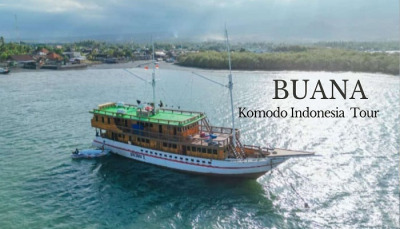
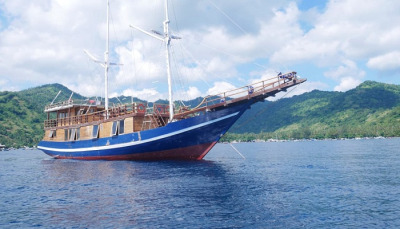
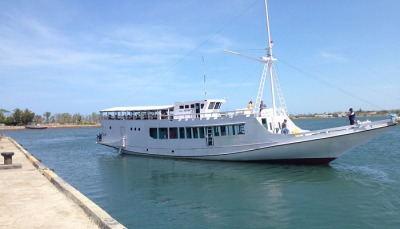

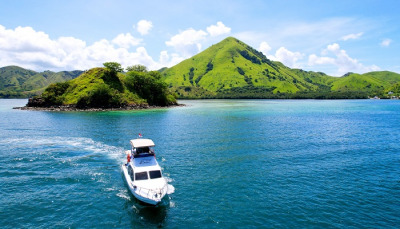
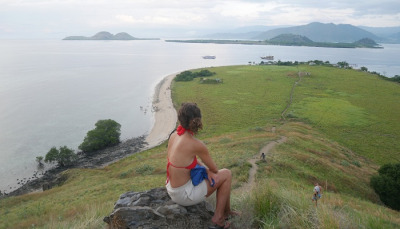
Kenawa Island Sumbawa: The Hidden Paradise You Must Visit Before Everyone Else Finds It Kenawa Island Sumbawa is one of Indonesia’s most underrated tropical escapes, quietly sitting off the coast of Sumbawa yet delivering a level of beauty that rivals the world’s most famous islands. In 2026, this tiny uninhabited island has become a strategic […]
expand_circle_right Selengkapnya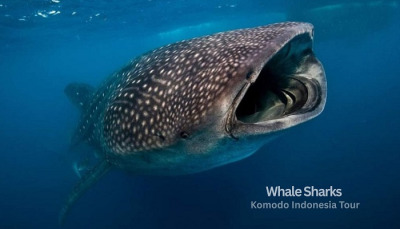
Swim with Whale Sharks Lombok to Bajo: The 4-Day Ocean Journey That Will Completely Change How You See the Sea Swim with whale sharks Lombok to Bajo is not just another travel itinerary—it is a transformative marine journey that blends raw nature, immersive adventure, and modern travel comfort into one seamless experience. Stretching across Lombok, […]
expand_circle_right Selengkapnya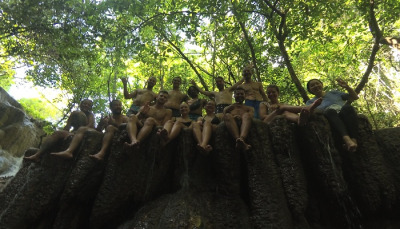
Moyo Island Waterfall Sumbawa Moyo Island Waterfall Sumbawa, when we Start Sailing east from Lombok toward Komodo National Park, travelers often discover one of Indonesia’s most enchanting islands: Moyo Island. A land where waterfalls meet the ocean and coral reefs glow beneath crystal-clear water, Moyo is a true hidden paradise in the heart of the […]
expand_circle_right Selengkapnya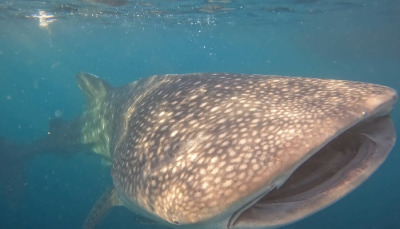
Whale shark Point Sumbawa Saleh Bay: Swim with the Gentle Giants of Sumbawa In the heart of Sumbawa Island lies one of Indonesia’s most awe-inspiring natural attractions Whale shark Point Sumbawa Saleh Bay. Known as the home of the gentle giants, this vast bay is a sanctuary where travelers can swim side by side with […]
expand_circle_right Selengkapnya
We Accept Payment:


Saat ini belum ada komentar