

Stepping onto the pier at Loh Buaya feels less like a vacation and more like a jump back into the Pleistocene epoch. While the world flocks to the namesake Komodo Island, savvy travelers are shifting their focus to Rinca. A rinca island Komodo Indonesia Tour Labuan Bajo Flores offers a more rugged, intimate, and arguably more successful wildlife encounter than its larger neighbor. In 2026, the logistics of visiting this UNESCO World Heritage site have evolved; it is no longer just about hopping on a wooden boat and hoping for the best. To truly master the “Dragon’s Realm,” you need a blend of modern digital tools, biological timing, and a deep understanding of the unique savanna topography that makes Rinca the superior choice for photographers and naturalists alike.
The geography of Rinca is fundamentally different from Komodo Island. It is characterized by vast, rolling savannas and scattered lontar palms, which actually makes spotting the apex predators significantly easier. Because the terrain is more open, the dragons are less obscured by dense jungle foliage. When you book a rinca island Komodo Indonesia Tour Labuan Bajo Flores, you are betting on higher visibility. Furthermore, Rinca is closer to Labuan Bajo, meaning less time spent in transit across the Sape Strait and more time on the ground. Have you ever considered that the “second” island might actually be the primary destination for serious wildlife enthusiasts?
Venturing into the arid landscapes of East Nusa Tenggara requires more than just a pair of hiking boots. The modern explorer uses a digital stack to ensure safety and maximize sightings. Before you leave your hotel in Labuan Bajo, ensure you have these specific tools downloaded and configured:
One of the most effective practical methods for a successful Rinca trek is the “First Light” arrival. Most “Open Trip” boats leave Labuan Bajo at 8:00 AM, arriving at Rinca when the sun is already high. By 10:30 AM, the dragons—which are cold-blooded ectotherms—have often already retreated into the deep shade of the mangroves or under the ranger stations to regulate their body temperature. To see them active, hunting, or interacting, you must use a private speedboating technique to arrive at the Loh Buaya gate by 7:00 AM. This gives you a 90-minute window of peak activity while the air is still cool and the light is soft enough for professional-grade photography.
The behavior of the dragons is dictated by the sun. In the early morning, they bask in open clearings to absorb heat. This is when you can capture the iconic “tongue-flick” photos as they sample the air for chemical signals. According to Rinca is one of the few places where the Komodo dragon still thrives in its natural habitat, alongside water buffalo, macaque monkeys, and various bird species. This biodiversity creates a complex food web that you can witness firsthand if you remain quiet and observant during your trek.
Rinca’s landscape is dominated by high-contrast lighting. The white limestone paths and yellow grass can easily “blow out” your highlights. To counter this, use the “Expose to the Left” (ETTL) method on your camera or smartphone. By slightly underexposing your shots, you preserve the texture of the dragon’s prehistoric scales. If you are using a modern smartphone like an iPhone 15/16 Pro or a Samsung Ultra, lock your focus on the dragon’s eye and slide the brightness icon down until the skin texture becomes vivid. Do you want a photo that looks like a postcard, or one that captures the raw intensity of a 70kg predator?
Recently, Rinca has seen significant infrastructure upgrades, often referred to as the “Jurassic Park” renovations. This includes elevated walkways designed to protect the dragons’ nesting grounds from human foot traffic. While some purists prefer the old dirt paths, the new system allows for safer, more accessible viewing for a wider range of physical abilities. When navigating these walkways, the best technique is to stop at the “junction points” where rangers are stationed. These rangers communicate via radio about recent sightings, so a polite conversation can lead you to a mother guarding her nest or a group of juveniles in the trees—a rare sight as young dragons live arboreally to avoid being eaten by adults.
A rinca island Komodo Indonesia Tour Labuan Bajo Flores should not end at the beach. To truly provide value to the local economy and enrich your own experience, look inland. Many travelers use Grab to find local drivers who can take them to the “Mirror Stone” cave (Batu Cermin) or the Rangko Cave. Using these apps ensures fair pricing and connects you with licensed local guides who can explain the geological history of the region, which was once submerged under the sea millions of years ago.
To maximize a single day in the park, follow this sequence:
Choosing a rinca island Komodo Indonesia Tour Labuan Bajo Flores is a commitment to seeing the world as it once was. By integrating modern weather sensors, GPS tracking, and biological timing into your journey, you move beyond the “low-value” tourist experience and into the realm of true exploration. Rinca offers a window into an ancient ecosystem that is both terrifying and beautiful. As we look toward the future of travel in Indonesia, the focus must remain on high-impact experiences with low-impact footprints.
Does the idea of standing just meters away from a living dinosaur excite you, or does it give you pause? We want to hear your perspective on the balance between tourism development and wildlife preservation in the comments below. Have you visited Rinca, or is it still on your 2026 bucket list?
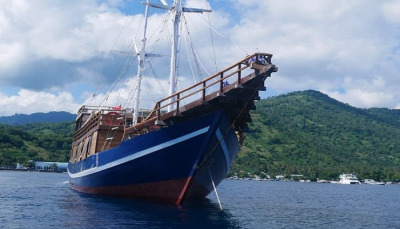

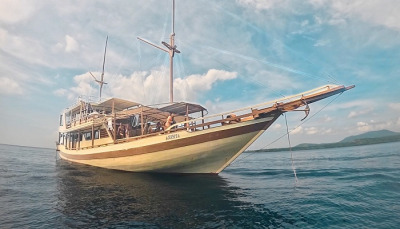
Open Trip Komodo 3D2N: The Ultimate Shared Boat Adventure. If you’re planning to explore Komodo National Park and looking for an affordable yet unforgettable experience, the Open Trip Komodo 3D2N is the perfect choice. This shared Komodo boat tour allows you to discover the park’s most breathtaking highlights in just three days and two nights […]
expand_circle_right Selengkapnya
Packing List for 4D3N Sailing Komodo: What to Bring—The Ultimate 2026 Survival Guide to Sailing in Style! Packing for a 4D3N expedition through the Komodo National Park is a high-stakes balancing act between nomadic minimalism and essential preparedness. In 2026, the shift toward sustainable “slow travel” and the implementation of strict “Zero-Plastic” park policies have […]
expand_circle_right Selengkapnya
How to Get to Airport Labuan Bajo from Harbor: The Ultimate 2026 Time-Saving Secrets for Every Traveler! How to Get to airport labuan bajo from Harbor is a logistics puzzle that every traveler must solve after finishing their epic sailing expedition through the Komodo National Park. As we move through 2026, Labuan Bajo has transformed […]
expand_circle_right Selengkapnya
10 Tips for Saving on an Open Trip from Lombok to Bajo in 2026: Master the Archipelago on a Budget. The voyage from Lombok to Labuan Bajo has transformed into the ultimate Indonesian travel rite of passage, but in 2026, the logistics of securing an “Open Trip” have become significantly more complex. With the introduction […]
expand_circle_right Selengkapnya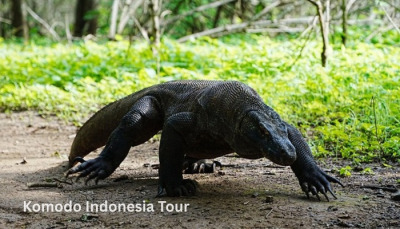
Latest Komodo National Park Entry Procedures: The Ultimate 2026 Guide to Not Getting Denied at the Dragon’s Gate! Navigating the Latest Komodo National Park Entry Procedures has become a sophisticated digital exercise that requires more than just a passport and a sense of adventure. As we move through 2026, the Indonesian government has fully transitioned […]
expand_circle_right Selengkapnya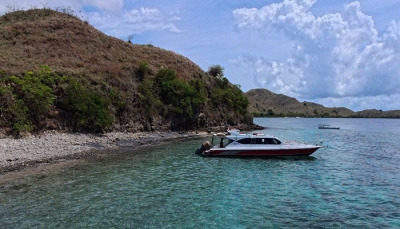
Labuan bajo Day trip by Speed Boat Labuan bajo Day trip by Speed Boat Tour: The Best Way to Explore Komodo National Park in a Day, There’s a special kind of magic when the sun rises over Labuan Bajo. The port glows gold, the ocean turns into glass, and the engines of the speed boat […]
expand_circle_right Selengkapnya
We Accept Payment:


Saat ini belum ada komentar