
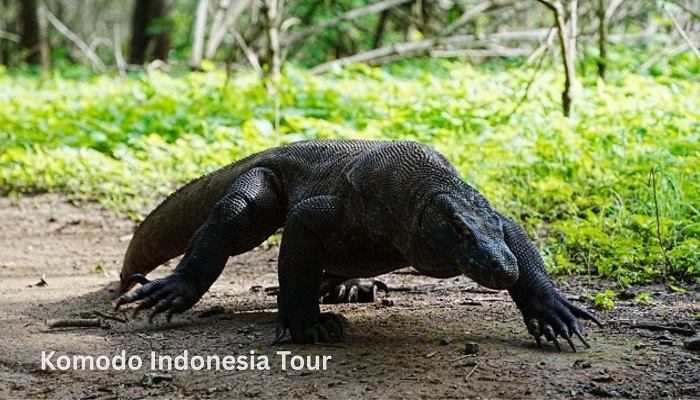
Latest Komodo National Park Entry Procedures: The Ultimate 2026 Guide to Not Getting Denied at the Dragon’s Gate! Navigating the Latest Komodo National Park Entry Procedures has become a sophisticated digital exercise that requires more than just a passport and a sense of adventure. As we move through 2026, the Indonesian government has fully transitioned the park into a “Smart Conservation” zone, prioritizing environmental integrity over mass tourism. This means the days of casual, last-minute ticket purchases at the harbor are officially over. Today, a successful journey to see the world’s largest lizards is a high-stakes coordination of digital permits, synchronized arrival windows, and biometric verification. If you aren’t prepared for the “SiOra” system or the tiered entry quotas, you might find yourself staring at the Labuan Bajo sunset from a hotel balcony rather than the summit of Padar Island. Why risk a bucket-list trip on outdated information when the 2026 protocols are specifically designed to reward the tech-savvy traveler? This guide provides the granular, actionable details you need to navigate the new bureaucracy and claim your spot in the prehistoric wild.
The cornerstone of the Latest Komodo National Park Entry Procedures is the SiOra (Sistem Informasi Operasional) platform. This integrated digital ecosystem serves as a “single window” for all visitor activities. Unlike previous years where local boat captains handled everything, the 2026 mandate requires every traveler to possess an individualized QR code synced to their identification. This system allows the Balai Taman Nasional Komodo (BTNK) to monitor human density in real-time, ensuring that no more than the prescribed 1,000 daily visitors are present across the park’s fragile ecosystem.
To enter, you must download the official SiOra app (available on iOS and Android) at least 72 hours before your departure. You will be required to upload a digital copy of your passport or KTP and a declaration of health. Once verified, the app generates a “Conservation Token.” This token is your lifeblood; without it, boat operators are legally prohibited from allowing you to board. Have you ever considered how much more peaceful the park feels when human traffic is managed by a precision algorithm?
Budgeting for Komodo has changed significantly. In 2026, the government has moved toward a consolidated “Conservation Contribution” model. This replaces the old system of paying multiple small fees at every island. According to data reported by Kompas.com, the new fee structure is designed to fund long-term habitat restoration and the welfare of the local ranger communities. It is important to note that fees are significantly higher for international tourists than for domestic visitors to balance the economic burden of conservation.
| Category | Weekday Rate (IDR) | Weekend/Holiday Rate (IDR) |
|---|---|---|
| International Tourist | 750,000 | 1,000,000 |
| Domestic Tourist | 250,000 | 350,000 |
| Diving/Snorkeling Permit | 150,000 (extra) | 200,000 (extra) |
| Drone Usage Fee | 2,000,000 | 2,000,000 |
Note: These fees are per person, per day. If you are on a 3-day Phinisi cruise, ensure your operator has already factored these costs into your package, or be prepared to top up your SiOra digital wallet.
In 2026, the park is no longer a “free-for-all.” It is divided into specific zones: Wilderness, Intense Use, and Traditional Use. Your permit will dictate which islands you are allowed to visit and at what time. For instance, Padar Island—the famous triple-bay viewpoint—now operates on a strict “Slot” system. There are only four entry windows per day: Sunrise (05:00-07:00), Morning (08:00-10:00), Afternoon (13:00-15:00), and Sunset (16:00-18:00).
As detailed on detik.com, these route restrictions have successfully reduced the coral bleaching rates in the park by nearly 30% since the implementation of the new tracking protocols. For a broader historical context on why these protections are so vital, you can explore the evolutionary history of the Varanus komodoensis on Wikipedia.
The Latest Komodo National Park Entry Procedures are easier to manage when you have the right digital and physical tools. In 2026, being “connected” is part of being a responsible tourist.
When you finally step onto the islands, the Latest Komodo National Park Entry Procedures transition from digital to physical. You will be assigned a “Naturalist Guide” or Ranger. In 2026, these rangers are equipped with tablets to log wildlife sightings, contributing to the park’s “Citizen Science” database. To make the most of your trek, use the “Triangle Formation” technique: Always keep the ranger at the apex of the group, with visitors following in two lines behind. This ensures the ranger has a clear 180-degree view of any dragons hidden in the brush.
Temperatures in Komodo can hit 38°C (100°F) with high humidity. A technique used by veteran guides is “Pre-Hydration.” Drink at least one liter of electrolyte-infused water 30 minutes before stepping onto Padar Island. This reduces the risk of heat exhaustion during the 800-step climb. Have you ever wondered why the dragons can bask in this heat for hours while we struggle after ten minutes? It’s all about metabolic efficiency.
For those who need to deep-dive into the legalities of the Latest Komodo National Park Entry Procedures, the most trusted sources remain the national news outlets and official portals. If you are booking a private charter, verify their “TNK License” on jelogilis.com to ensure they are authorized to handle the digital permit process. Always cross-reference your trip dates with the “Closure Calendar” often published on Kompas.com to avoid seasonal conservation breaks where certain islands are closed to the public for “healing” periods.
The Latest Komodo National Park Entry Procedures represent a bold step toward sustainable tourism. While the digital registration and strict quotas may feel like an extra hurdle, they are the very mechanisms ensuring that the “Land of the Dragons” remains wild and majestic for decades to come. By preparing your SiOra permit early, budgeting for the consolidated conservation fee, and using the latest maritime apps, you ensure that your adventure is as smooth as the turquoise waters of the Flores Sea. Are you ready to embrace the new era of smart travel and witness the prehistoric majesty of Komodo responsibly?
We would love to hear your thoughts! Have you navigated the new SiOra system yet, or do you have questions about the latest fee updates? Leave a comment below and share your experiences or concerns—your feedback helps other travelers stay informed!
Meta Description: Planning a trip to Komodo in 2026? Read the Latest Komodo National Park Entry Procedures, including SiOra registration, new price tables, and essential gear.
Would you like me to help you generate a 3-day sample itinerary that perfectly aligns with the new 2026 island time-slots?
Read other Our Article: Lombok to Labuan Bajo Route
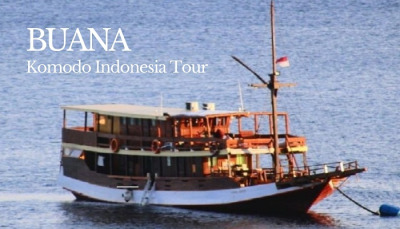
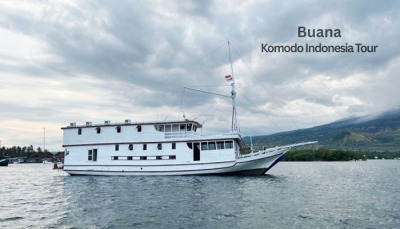
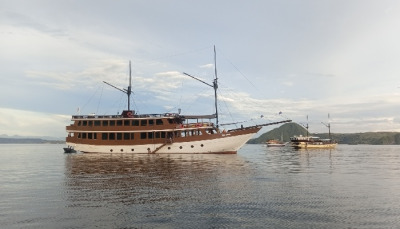
Open Trip Komodo 3D2N: The Ultimate Shared Boat Adventure. If you’re planning to explore Komodo National Park and looking for an affordable yet unforgettable experience, the Open Trip Komodo 3D2N is the perfect choice. This shared Komodo boat tour allows you to discover the park’s most breathtaking highlights in just three days and two nights […]
expand_circle_right Selengkapnya
By Buana Komodo Indonesia Tour – komodoindonesiatour.com Planning to visit Komodo Island in 2026? You’re about to discover one of the most spectacular destinations in Southeast Asia. This comprehensive Komodo National Park Guide covers everything you need to know before traveling to Komodo Island Indonesia, from the best time to visit and top attractions to […]
expand_circle_right Selengkapnya
Why a Licensed Tour Guide Makes a Difference on Your Komodo Boat Tour A journey through Komodo National Park is much more than visiting famous islands and taking beautiful photos. It is an opportunity to discover one of Indonesia’s most extraordinary natural destinations through the eyes of people who know it best. At Buana Komodo […]
expand_circle_right Selengkapnya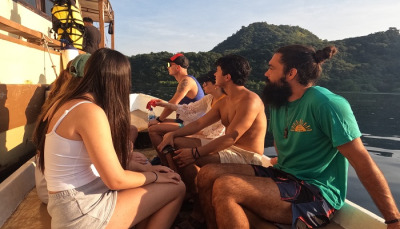
Best Way to Get to Komodo Island from Lombok: The Smart Traveler’s Route Most People Completely Overlook Best way to get to Komodo Island from Lombok is a question that seems simple—but in reality, it determines whether your trip becomes stressful, rushed, or truly unforgettable. Many travelers underestimate the complexity of this route, choosing the […]
expand_circle_right Selengkapnya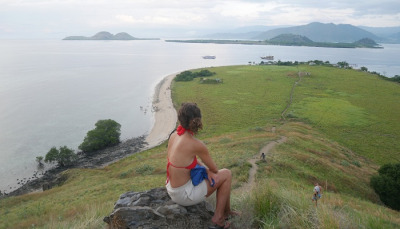
Kenawa Island Sumbawa: The Hidden Paradise You Must Visit Before Everyone Else Finds It Kenawa Island Sumbawa is one of Indonesia’s most underrated tropical escapes, quietly sitting off the coast of Sumbawa yet delivering a level of beauty that rivals the world’s most famous islands. In 2026, this tiny uninhabited island has become a strategic […]
expand_circle_right Selengkapnya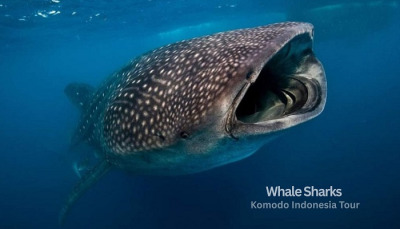
Swim with Whale Sharks Lombok to Bajo: The 4-Day Ocean Journey That Will Completely Change How You See the Sea Swim with whale sharks Lombok to Bajo is not just another travel itinerary—it is a transformative marine journey that blends raw nature, immersive adventure, and modern travel comfort into one seamless experience. Stretching across Lombok, […]
expand_circle_right Selengkapnya
We Accept Payment:


Saat ini belum ada komentar