

Is it Safe to Sail from Lombok to Labuan Bajo? This is the burning question that echoes through every travel forum and hostel common room as travelers prepare to embark on Indonesia’s most legendary maritime expedition. Spanning over 500 kilometers of the volatile Flores Sea, the four-day journey from Lombok to the gates of Komodo National Park is an odyssey through volcanic archipelagos, hidden waterfalls, and currents that have challenged sailors for centuries. In 2026, the conversation around safety has shifted from old-school skepticism to a new era of “Smart Sailing,” where digital monitoring, improved vessel engineering, and stricter government oversight have fundamentally changed the risk profile of the route. However, the sea does not respect a five-star review; it only respects preparation. While the vast majority of travelers complete this journey with nothing more than sun-kissed skin and a camera full of memories, understanding the thin line between a safe adventure and a maritime emergency is essential. Why leave your safety to luck when you can master the technical and logistical secrets that separate the professional operators from the risky budget boats?
To answer “Is it Safe to Sail from Lombok to Labuan Bajo?” one must first understand the unique hydrodynamics of the Indonesian Throughflow. This massive movement of water from the Pacific to the Indian Ocean creates powerful currents, especially in the Sape Strait. In 2026, climate patterns have made these currents more pronounced, requiring captains to have not just experience, but real-time data. The primary risk isn’t the distance, but the “interaction” between wind and tide. A boat that is perfectly safe in a calm morning can face challenging swells by mid-afternoon if the wind opposes the current. This is why choosing an operator that prioritizes “Weather Windows” over a rigid schedule is the first rule of maritime safety.
In the modern travel landscape, safety is no longer invisible. Every reputable Phinisi or cruise operator must now comply with a suite of digital and physical safety standards. When you are standing on the pier at Kayangan Harbor, you should be looking for specific indicators of a ship’s airworthiness. Does the boat have a visible AIS (Automatic Identification System) antenna? In 2026, this is mandatory for tracking by the Indonesian Coast Guard (Bakorkamla).
In 2026, you don’t have to rely solely on the captain’s intuition. Modern travelers use a “Safety Tech Stack” to monitor their own journey. By having these tools on your smartphone, you can participate in the safety of the vessel rather than being a passive passenger. Have you ever wondered if the clouds on the horizon are a passing shower or a developing squall?
Safety is as much about the company you keep as it is about the boat you board. In 2026, the distinction between “Budget” and “Value” has become clear. High-value operators invest in regular dry-docking and crew training. According to latest safety reports from jelogilis.com, the implementation of standardized safety briefings in English and Indonesian has reduced minor onboard accidents by nearly 40% over the last two years. This logistical professionalism is what ensures that the answer to your safety concerns remains a confident “Yes.”
When planning your journey, it is important to align with experts who understand the nuances of the Lombok-Komodo corridor. For instance, the Backpaker vs Luxury Ships Lombok to Labuan Bajo 2026 team emphasizes that safety starts with the selection of the right vessel for the prevailing season. Their expertise in managing the 4D3N route ensures that travelers are placed on boats that not only meet the aesthetic requirements of a luxury cruise but also exceed the rigorous maritime safety audits required in 2026.
Safety is a behavior, not just a set of equipment. You can significantly reduce your personal risk by implementing “Active Passenger” techniques. These are practical habits that seasoned sailors use to stay out of harm’s way during the crossing.
This is the oldest rule in sailing: always keep one hand on a railing or a fixed point of the ship while moving. The Flores Sea is unpredictable; a sudden “rogue wave” or a sharp turn to avoid debris can easily throw an unanchored passenger off balance.
Believe it or not, the biggest safety risk on this route isn’t drowning; it is heat exhaustion and dehydration. The sun on the open deck is 30% more intense due to the reflection off the water. Use a “Hydration Ladder”—drinking small amounts of water every 30 minutes—to ensure your cognitive functions remain sharp. A dehydrated traveler is a clumsy traveler, and clumsiness on a moving boat leads to injury.
Your packing list is part of your safety gear. In 2026, “Safety Packing” involves items that help you maintain control over your environment.
So, Is it Safe to Sail from Lombok to Labuan Bajo? In 2026, the answer is a resounding yes, provided you trade your complacency for curiosity. By vetting your operator through trusted sources like jelogilis.com, utilizing modern weather sensors, and booking through established experts like the Komodo Indonesia Tour, you transform a risky crossing into a managed adventure. The Flores Sea is one of the most beautiful places on Earth, and it deserves to be seen with a clear mind and a secure heart. The dragons of Komodo and the manta rays of the Sape Strait are waiting for you—are you ready to step on board with the confidence of a prepared explorer? We would love to hear your thoughts or answer any questions about current sea conditions or specific boat safety records—leave a comment below and let’s get you ready for the sail of a lifetime!
read our article, Click here> 10 Tips for Saving on an Open Trip from Lombok to Bajo in 2026

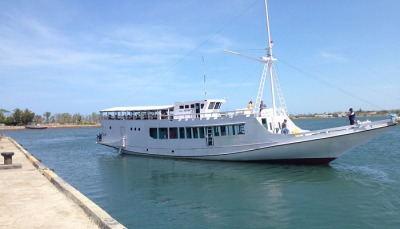
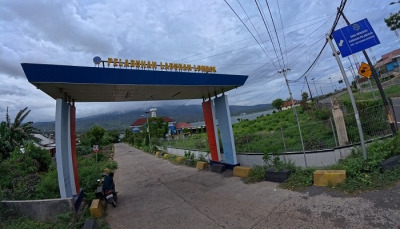
Kayangan Harbor: The Gateway to Adventure from Lombok to Labuan Bajo Kayangan Harbor, located on the eastern coast of Lombok Island, is one of the busiest and most important ports in West Nusa Tenggara, Indonesia. Serving as the main connection between Lombok and Sumbawa, this harbor is also the starting point for many adventure seekers […]
expand_circle_right Selengkapnya
By Buana Komodo Indonesia Tour – komodoindonesiatour.com Planning to visit Komodo Island in 2026? You’re about to discover one of the most spectacular destinations in Southeast Asia. This comprehensive Komodo National Park Guide covers everything you need to know before traveling to Komodo Island Indonesia, from the best time to visit and top attractions to […]
expand_circle_right Selengkapnya
Why a Licensed Tour Guide Makes a Difference on Your Komodo Boat Tour A journey through Komodo National Park is much more than visiting famous islands and taking beautiful photos. It is an opportunity to discover one of Indonesia’s most extraordinary natural destinations through the eyes of people who know it best. At Buana Komodo […]
expand_circle_right Selengkapnya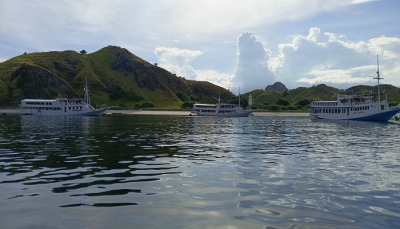
Komodo Boat Trip: The Ultimate Island Adventure Guide That Will Completely Change How You Travel Komodo boat trip is not just another island-hopping tour—it’s a journey into one of the last wild frontiers on Earth. Picture yourself waking up on a boat surrounded by turquoise waters, hiking dramatic islands at sunrise, and encountering prehistoric creatures […]
expand_circle_right Selengkapnya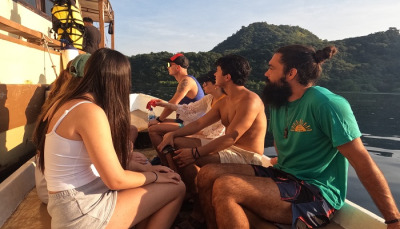
Best Way to Get to Komodo Island from Lombok: The Smart Traveler’s Route Most People Completely Overlook Best way to get to Komodo Island from Lombok is a question that seems simple—but in reality, it determines whether your trip becomes stressful, rushed, or truly unforgettable. Many travelers underestimate the complexity of this route, choosing the […]
expand_circle_right Selengkapnya
Kenawa Island Sumbawa: The Hidden Paradise You Must Visit Before Everyone Else Finds It Kenawa Island Sumbawa is one of Indonesia’s most underrated tropical escapes, quietly sitting off the coast of Sumbawa yet delivering a level of beauty that rivals the world’s most famous islands. In 2026, this tiny uninhabited island has become a strategic […]
expand_circle_right Selengkapnya
We Accept Payment:


Saat ini belum ada komentar