
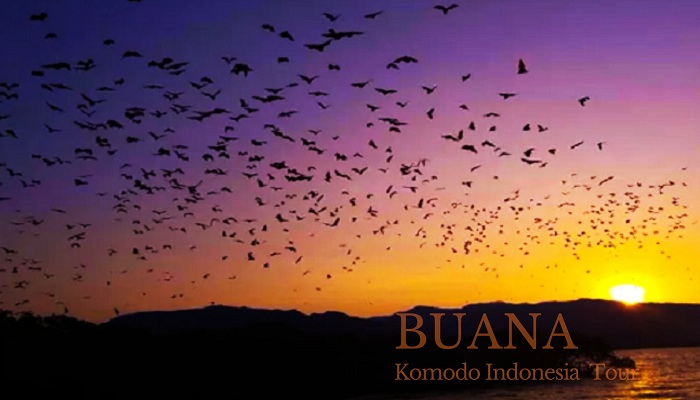
Kalong Island Labuan Bajo Flores is not just a destination; it is a celestial event that occurs every single evening at the edge of the world. As the sun dips below the horizon of the Flores Sea, painting the sky in hues of bruised purple and molten gold, a silent signal is sent to the dense mangrove forests of this tiny, uninhabited isle. Suddenly, the sky isn’t empty anymore. Thousands—sometimes tens of thousands—of giant fruit bats, known locally as “Kalong,” take to the air in a synchronized exodus that lasts for nearly twenty minutes. For the modern traveler, this isn’t just a photo opportunity; it is a profound immersion into a biological rhythm that has remained unchanged for millennia. Navigating the logistics of this sunset spectacle requires a blend of timing, nautical awareness, and the right digital tools to ensure you aren’t just one of the many boats in the harbor, but a front-row witness to one of nature’s most dramatic daily migrations.
The bats of Kalong Island Labuan Bajo Flores are primarily Pteropus vampyrus, or large flying foxes. Despite their intimidating name, these creatures are gentle herbivores that play a crucial role in the ecosystem by dispersing seeds across the islands of Komodo National Park. Every evening at dusk, they leave their mangrove sanctuary to forage for fruit on the larger mainland of Flores. This mass departure is a survival strategy, using the cover of twilight to avoid predators. Have you ever wondered what it feels like to have the sky literally turn black with wings overhead?
Kalong Island Labuan Bajo Flores is located approximately 8 kilometers from the Labuan Bajo marina. It is a standard stop for almost every “Liveaboard” or day-trip boat. However, the experience varies wildly depending on your vessel. Most 3D2N private trips will anchor here on the first night. If you are doing a day trip, ensure your captain understands that you want to stay until the very end of the migration—many budget tours try to rush back to the harbor before the “afterglow” period, which is actually when the colors are most vibrant.
To ensure you don’t miss the window, use technology to track the specific conditions of the day. The “Golden Hour” in the tropics is notoriously short, and timing is everything.
Capturing Kalong Island Labuan Bajo Flores on camera is notoriously difficult because of the high contrast between the bright sky and the dark silhouettes of the bats. Standard “Auto” modes on smartphones will often result in a grainy, blurry mess. To get that “viral” shot, you need to treat the scene with technical respect. Modern sensors are capable, but they need a human touch to guide the exposure.
According to reports from Komodo National Park, the increasing number of boats surrounding Kalong Island has raised concerns about noise pollution. The sound of loud music and excessive engine idling can disorient the bats. As a responsible traveler, you should insist that your boat crew turns off all external speakers and minimizes the use of bright spotlights while the bats are emerging. The goal is to be a silent observer of their world, not a disruption to it.
The bat migration at Kalong Island Labuan Bajo Flores happens daily, but the “quality” of the sunset is seasonal. During the rainy season (December to March), clouds can often obscure the colors, though the bats still fly. The peak season (May to September) offers the most consistent “fire skies.” Does the idea of thousands of bats flying over a blood-red sky sound like a movie scene, or is it a bit too “Dracula” for your taste?
Aside from your camera, there are a few physical items that will make your evening at Kalong Island Labuan Bajo Flores much more comfortable. Many travelers forget that being stationary on a boat at dusk makes you a prime target for tropical insects.
Kalong Island Labuan Bajo Flores is a testament to the wild, untamed spirit of the East Nusa Tenggara region. It is one of the few places left on Earth where you can witness a massive wildlife event with such ease and proximity. It reminds us that we are just small spectators in a much larger, more ancient story of survival and migration. The experience of sitting on a quiet deck, surrounded by the silhouettes of giant wings against a dying sun, is something that stays with you long after you’ve left the shores of Flores. Would you be willing to sit in silence for twenty minutes just to hear the sound of ten thousand wings, or are you just there for the Instagram story? We want to hear about your most memorable sunset experiences—leave a comment below and tell us if Kalong Island is on your 2026 travel list!
Read Other Article: How to Visit Padar Island in 2026

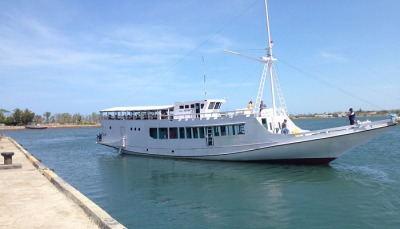
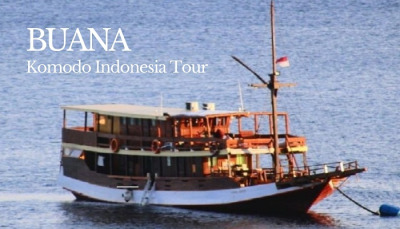
Open Trip Komodo 3D2N: The Ultimate Shared Boat Adventure. If you’re planning to explore Komodo National Park and looking for an affordable yet unforgettable experience, the Open Trip Komodo 3D2N is the perfect choice. This shared Komodo boat tour allows you to discover the park’s most breathtaking highlights in just three days and two nights […]
expand_circle_right Selengkapnya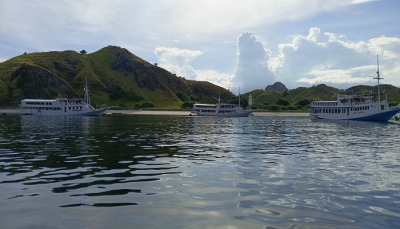
Komodo Boat Trip: The Ultimate Island Adventure Guide That Will Completely Change How You Travel Komodo boat trip is not just another island-hopping tour—it’s a journey into one of the last wild frontiers on Earth. Picture yourself waking up on a boat surrounded by turquoise waters, hiking dramatic islands at sunrise, and encountering prehistoric creatures […]
expand_circle_right Selengkapnya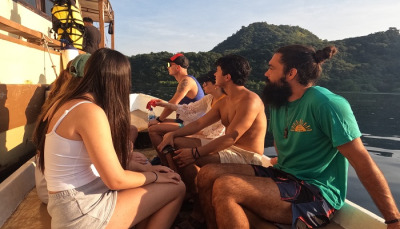
Best Way to Get to Komodo Island from Lombok: The Smart Traveler’s Route Most People Completely Overlook Best way to get to Komodo Island from Lombok is a question that seems simple—but in reality, it determines whether your trip becomes stressful, rushed, or truly unforgettable. Many travelers underestimate the complexity of this route, choosing the […]
expand_circle_right Selengkapnya
Komodo tour Indonesia is more than just a travel experience—it’s a raw encounter with nature, a journey across prehistoric landscapes, and a deep dive into one of the most unique ecosystems on Earth. Imagine sailing through turquoise waters, waking up to sunrise over jagged islands, and standing face-to-face with the legendary Komodo dragon. But here’s […]
expand_circle_right Selengkapnya
Komodo Tour Indonesia from Bali: The Ultimate Secret Route Smart Travelers Don’t Want You to Know Komodo tour Indonesia from Bali is one of the most sought-after travel experiences in Southeast Asia, yet most travelers approach it the wrong way—rushing, overpaying, or missing the best routes entirely. Imagine leaving the vibrant energy of Bali and […]
expand_circle_right Selengkapnya
Review: Deck Class vs Cabin Class on Komodo Boats, Choosing your sleeping arrangement for the legendary four-day sailing expedition from Lombok to Labuan Bajo is the single most important decision you will make for your Indonesian adventure in 2026. This journey across the Flores Sea has become a global phenomenon, but the reality of living […]
expand_circle_right Selengkapnya
We Accept Payment:


Saat ini belum ada komentar