
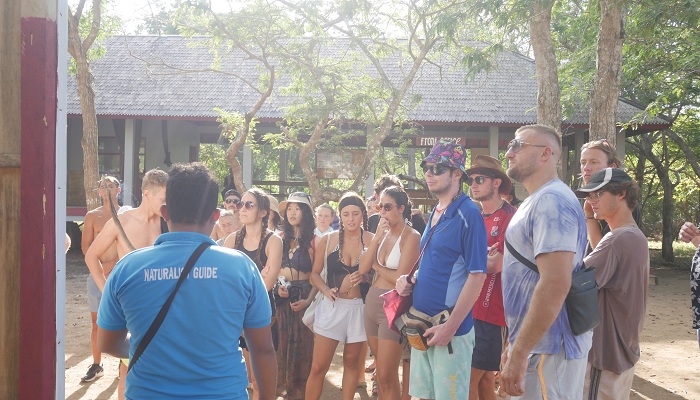
Is Komodo National Park a UNESCO World Heritage Site? This is one of the most frequent questions asked by travelers planning a journey to the rugged volcanic islands of Indonesia. The definitive answer is a resounding yes. Since 1991, this extraordinary archipelago has been recognized by the international community for its unparalleled ecological value and prehistoric allure. However, being a UNESCO site is about much more than just a prestigious title; it is a global commitment to protecting a “Jurassic” landscape that exists nowhere else on Earth. For the modern adventurer in 2026, understanding this status is the key to unlocking a deeper, more respectful travel experience. From the arid savannahs where the world’s largest lizards roam to the vibrant coral reefs of the Coral Triangle, the UNESCO designation serves as both a shield for the environment and a beacon for those seeking the ultimate encounter with wild nature.
When you ask “is Komodo National Park a UNESCO World Heritage Site,” you are tapping into a history of conservation that began long before Instagram made it a global sensation. The park was officially inscribed on the World Heritage List in 1991. This designation was not handed out lightly; it was based on the park meeting two specific criteria that highlight its “Outstanding Universal Value.” Specifically, it satisfies Criterion (vii)—containing superlative natural phenomena or areas of exceptional natural beauty—and Criterion (x)—holding the most important and significant natural habitats for in-situ conservation of biological diversity.
The park encompasses three main islands—Komodo, Rinca, and Padar—along with numerous smaller islets. Interestingly, its protection started even earlier than its UNESCO recognition. It was declared a Man and Biosphere Reserve in 1977 and a National Park in 1980. This layered protection is why the park remains so pristine today, despite the surge in global tourism. Have you ever stood on a landscape that looked exactly the same as it did three million years ago?
The primary driver for the UNESCO status is, of course, the Komodo dragon (Varanus komodoensis). These apex predators are the largest extant species of lizard on earth. According to the official UNESCO records, the park is the only place in the world where these prehistoric creatures exist in the wild. Their survival is a biological miracle, as they have adapted to the harsh, arid conditions of the Lesser Sunda Islands with clinical efficiency.
While the dragons get the headlines, the UNESCO status also covers the surrounding waters. The park lies within the “Coral Triangle,” the global center of marine biodiversity. The confluence of the Indian and Pacific Oceans creates powerful currents that pump nutrient-rich water through the park, supporting over 1,000 species of fish and 260 species of reef-building corals. It is quite literally an underwater rainforest that requires the same level of international protection as the land itself.
Visiting a UNESCO World Heritage site comes with responsibilities, but modern technology makes it easier to be a “smart” traveler. In 2026, we have tools that allow us to minimize our footprint while maximizing our experience. To navigate the park efficiently, you should move beyond basic tourist brochures and utilize high-data platforms.
Because Komodo National Park is a UNESCO World Heritage site, it is subject to rigorous monitoring. In recent years, there have been discussions regarding the “carrying capacity” of the islands. To visit sustainably, you must adopt techniques that respect the designation. Sustainability isn’t just a buzzword here; it’s the only way the dragons will survive another century.
Everyone wants the perfect “dragon selfie,” but doing it incorrectly can lead to fines or injury. Use a telephoto lens (70-200mm) so you can capture the detail of the dragon’s scales from a safe distance of at least 5 meters. Never use a flash; the sudden burst of light can trigger an aggressive response from the lizards. If you are using a drone, you must have a specific permit. Drones can interfere with the flight paths of the orange-footed scrub fowl, an essential part of the park’s ecosystem.
The question “is Komodo National Park a UNESCO World Heritage Site” also carries weight for the people of Labuan Bajo and the Komodo village. The designation has transformed a sleepy fishing outpost into a global tourism hub. This brings both opportunities and challenges. While tourism provides income, it also puts pressure on local resources like fresh water and waste management.
To truly appreciate the scope of this World Heritage site, your itinerary should be diverse. Don’t just focus on the dragons. A 3-day or 4-day Shared Trip Or private boat trip is the most effective way to see the various facets of the park’s status. Is it possible to see the entire world in a single archipelago, or does it just feel that way when you’re in Komodo?
Navigating a World Heritage site in 2026 requires a bit of logistical finesse. The park is more regulated than it was a decade ago, which is a good thing for conservation. To ensure your trip goes smoothly, follow these clear, actionable steps.
Your packing list should reflect the “Leave No Trace” philosophy. Bring a high-quality reusable water bottle and a portable solar charger. Most boats have limited power; being self-sufficient with your energy needs reduces the strain on the vessel’s generator. Also, pack a pair of lightweight, breathable hiking boots. The volcanic rock in Komodo is sharp and can easily shred a standard pair of sneakers.
Being a UNESCO World Heritage site makes Komodo National Park more than just a place on a map; it makes it a shared treasure of humanity. The status provides a framework for protection, but the actual preservation depends on the choices we make as travelers. By using modern tools, respecting the local regulations, and approaching the dragons with a sense of awe rather than just a desire for a photo, we contribute to the longevity of this prehistoric frontier. Whether you are mesmerized by the silent glide of a manta ray or the steady gaze of a dragon, you are participating in a story that has been millions of years in the making. Are you ready to step into a world where time stands still, or are you still planning your escape? We would love to hear your thoughts or help you navigate the permits for your next trip—drop a comment below and let’s discuss your 2026 Indonesian adventure!
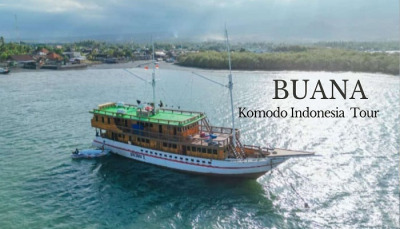
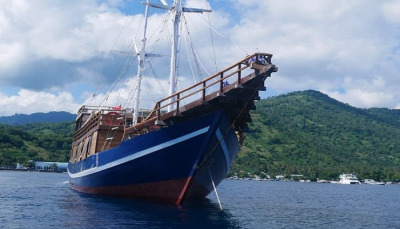
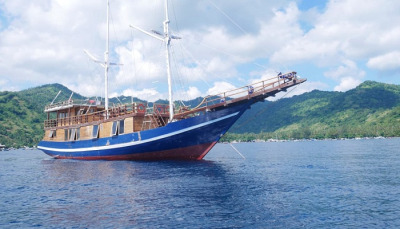
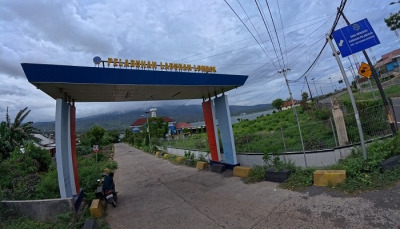
Kayangan Harbor: The Gateway to Adventure from Lombok to Labuan Bajo Kayangan Harbor, located on the eastern coast of Lombok Island, is one of the busiest and most important ports in West Nusa Tenggara, Indonesia. Serving as the main connection between Lombok and Sumbawa, this harbor is also the starting point for many adventure seekers […]
expand_circle_right Selengkapnya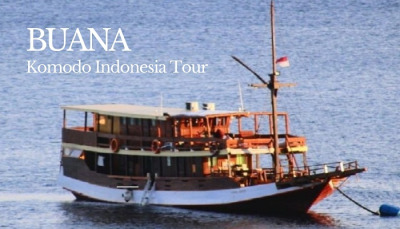
Open Trip Komodo 3D2N: The Ultimate Shared Boat Adventure. If you’re planning to explore Komodo National Park and looking for an affordable yet unforgettable experience, the Open Trip Komodo 3D2N is the perfect choice. This shared Komodo boat tour allows you to discover the park’s most breathtaking highlights in just three days and two nights […]
expand_circle_right Selengkapnya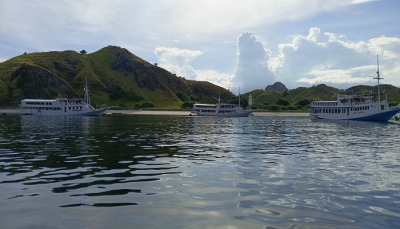
Komodo Boat Trip: The Ultimate Island Adventure Guide That Will Completely Change How You Travel Komodo boat trip is not just another island-hopping tour—it’s a journey into one of the last wild frontiers on Earth. Picture yourself waking up on a boat surrounded by turquoise waters, hiking dramatic islands at sunrise, and encountering prehistoric creatures […]
expand_circle_right Selengkapnya
Best Way to Get to Komodo Island from Lombok: The Smart Traveler’s Route Most People Completely Overlook Best way to get to Komodo Island from Lombok is a question that seems simple—but in reality, it determines whether your trip becomes stressful, rushed, or truly unforgettable. Many travelers underestimate the complexity of this route, choosing the […]
expand_circle_right Selengkapnya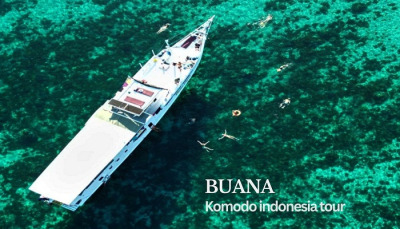
Komodo tour Indonesia is more than just a travel experience—it’s a raw encounter with nature, a journey across prehistoric landscapes, and a deep dive into one of the most unique ecosystems on Earth. Imagine sailing through turquoise waters, waking up to sunrise over jagged islands, and standing face-to-face with the legendary Komodo dragon. But here’s […]
expand_circle_right Selengkapnya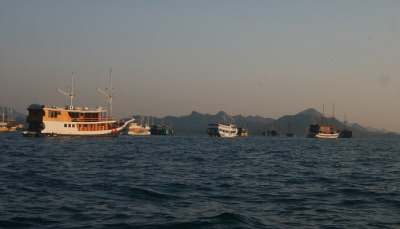
Komodo Tour Indonesia from Bali: The Ultimate Secret Route Smart Travelers Don’t Want You to Know Komodo tour Indonesia from Bali is one of the most sought-after travel experiences in Southeast Asia, yet most travelers approach it the wrong way—rushing, overpaying, or missing the best routes entirely. Imagine leaving the vibrant energy of Bali and […]
expand_circle_right Selengkapnya
We Accept Payment:


Saat ini belum ada komentar