
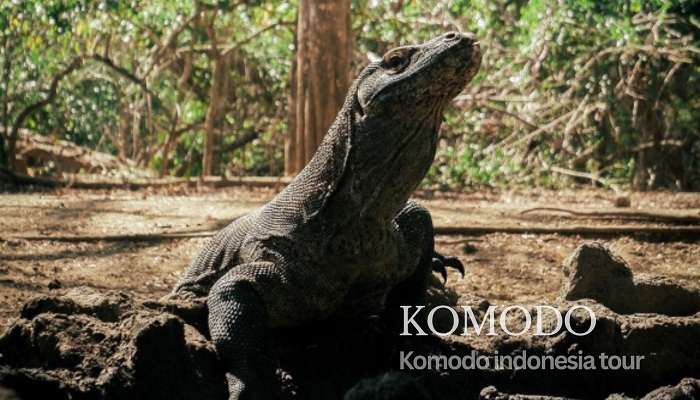
A Komodo Indonesia Tour is more than an ordinary island holiday. It is an opportunity to discover one of the world’s most remarkable reptiles, explore spectacular tropical landscapes, and experience the extraordinary marine biodiversity of eastern Indonesia. Located in East Nusa Tenggara, Komodo National Park attracts travelers with its legendary Komodo dragons, dramatic island viewpoints, pink-sand beaches, and clear waters filled with marine life. With BUANA, visitors can plan an unforgettable journey through this remarkable region while learning why protecting its unique wildlife is essential for future generations.
The Komodo dragon, scientifically known as Varanus komodoensis, is the largest living lizard species in the world. These powerful reptiles are naturally found only in Indonesia, making them one of the country’s most distinctive wildlife treasures. Their impressive size, remarkable hunting abilities, and restricted natural distribution make them a major attraction for nature enthusiasts and international travelers.
Komodo dragons belong to the monitor lizard family, Varanidae. They inhabit several Indonesian islands, including Komodo, Rinca, and parts of Flores, as well as smaller neighboring islands. Their survival depends on suitable habitat, healthy prey populations, and effective conservation management.
For travelers planning a Komodo Indonesia tour, seeing these animals in their natural environment can be an extraordinary experience. However, they are wild predators, not domesticated animals. Visitors should always follow their guide’s instructions, maintain a safe distance, and avoid attempting to feed or touch them.
Adult Komodo dragons can reach approximately three meters in length, although size varies between individuals. Large specimens can weigh more than 70 kilograms, while exceptionally large individuals may weigh considerably more. Their long, muscular tails help with balance and movement, while powerful limbs and sharp claws make them effective hunters.
Their impressive appearance is one reason Komodo National Park has become a bucket-list destination. Nevertheless, observing these reptiles responsibly is more important than getting close enough for a dramatic photograph.
Komodo dragons are endemic to Indonesia. Their natural distribution includes Komodo Island, Rinca Island, Gili Motang, Nusa Kode, and parts of Flores. These habitats support a rare combination of dry savanna, tropical woodland, rugged hills, and coastal ecosystems.
This limited distribution makes habitat protection particularly important. Environmental changes, human activities, and declining prey availability can affect local populations. By choosing responsible wildlife experiences, visitors can help support a tourism industry that values conservation alongside memorable adventures.
Komodo dragons are classified as endangered on the IUCN Red List. Their conservation requires habitat protection, scientific monitoring, and effective management of tourism and human activities. Population estimates vary according to the survey period, location, and counting methods used.
For historical context, Indonesian news reports citing Komodo National Park authorities reported approximately 2,800 dragons in 2019. This figure should not be treated as a current population count. For the latest information, travelers and researchers should consult official Indonesian conservation authorities and current scientific assessments.
Learn more about the species through Komodo dragon overview, then use authoritative conservation sources to verify current population and protection information.
Komodo dragons are carnivores that feed on animals such as deer and wild pigs. They may also prey on other available animals, including smaller Komodo dragons. Young dragons often spend time in trees, where they can avoid larger individuals and some predators.
These reptiles use ambush tactics, strong jaws, sharp teeth, and a powerful sense of smell to locate and capture prey. Their hunting behavior is part of a complex natural ecosystem, which is why visitors should never interfere with wildlife or attempt to attract dragons with food.
Older explanations often attributed the lethality of Komodo dragon bites primarily to harmful bacteria in their saliva. Scientific research has since identified venom-related mechanisms that contribute to their hunting effectiveness. Their bites can cause serious tissue damage and bleeding, making them dangerous animals that must be observed with appropriate precautions.
For visitors, the practical lesson is simple: never approach a dragon independently, even if it appears motionless or far away. Always remain with an authorized park guide and respect safety instructions.
Komodo dragons reproduce by laying eggs. Females typically reach sexual maturity at around eight years of age, although maturity varies with growth and environmental conditions. A clutch can contain approximately 15 to 30 eggs, and incubation generally lasts several months.
Females may use nesting sites such as abandoned megapode nests. In some circumstances, Komodo dragons can also reproduce through parthenogenesis, a process in which offspring develop from unfertilized eggs. This unusual ability has attracted scientific interest because it may help explain how the species can reproduce under particular conditions.
Komodo dragons use their forked tongues to collect chemical particles from the environment. These particles are transferred to a specialized sensory organ that helps them interpret scents. This ability assists them in locating prey and detecting other animals.
Rather than relying only on eyesight, they combine chemical sensing with movement detection and other environmental cues. Visitors may notice a dragon repeatedly flicking its tongue as it explores its surroundings. This natural behavior is fascinating to observe, but it is not an invitation to move closer.
As major predators and scavengers, Komodo dragons play an important role in their natural environment. Their feeding behavior contributes to ecological processes, while their presence reflects the health of the wider habitat and prey community.
Protecting the dragons also means protecting the landscapes around them. Grasslands, forests, water sources, nesting areas, and coastal environments all contribute to the ecological balance of the region. Responsible tourism should therefore consider the complete ecosystem rather than focusing on wildlife photographs alone.
Tourism can create economic opportunities for local communities and increase public awareness of endangered wildlife. However, these benefits depend on good management, visitor education, and respect for protected areas.
During a Komodo Indonesia tour, follow designated trails, listen to park rangers, avoid littering, and never attempt to feed wildlife. Choose operators that communicate safety rules clearly and encourage environmentally responsible behavior. Small decisions by individual travelers can contribute to a better experience for both visitors and the natural environment.
Komodo Island is one of the best-known destinations for observing Komodo dragons in their natural habitat. Guided walks introduce visitors to the island’s distinctive landscape while explaining local wildlife and conservation efforts. Sightings are never guaranteed because the animals move freely, but this uncertainty is part of experiencing a genuine wild environment.
Rinca Island offers another opportunity to learn about Komodo dragons and the ecosystems they inhabit. Its dry hills, open grasslands, and rugged scenery create a memorable setting for guided wildlife exploration. Visitors should follow the route recommended by park staff and allow sufficient time for safety briefings and the walk itself.
Padar Island is famous for its dramatic ridgelines and sweeping views of curved bays. The hike to its main viewpoint rewards visitors with one of the most recognizable landscapes in Indonesia. Early morning visits can provide softer light and more comfortable walking conditions, although weather and access arrangements may vary.
Pink Beach is known for its distinctive pinkish sand, created by a mixture of pale sand and fragments of red marine organisms. The color can appear stronger or softer depending on sunlight and viewing conditions. Visitors can enjoy the scenery, photograph the coastline, and explore the water where permitted.
Help protect this fragile environment by leaving sand, coral, and marine organisms where they belong. Avoid standing on coral reefs, and use reef-safe practices when swimming or snorkeling.
For travelers interested in marine life, selected snorkeling and diving sites around Komodo offer opportunities to explore coral reefs and observe a variety of fish. Manta encounters may be possible at suitable locations, but sightings depend on natural conditions and are never guaranteed.
Choose experienced boat crews, follow local instructions, and maintain a respectful distance from marine animals. Strong currents can occur in this region, so snorkeling and diving activities should always be appropriate for your experience and the conditions on the day.
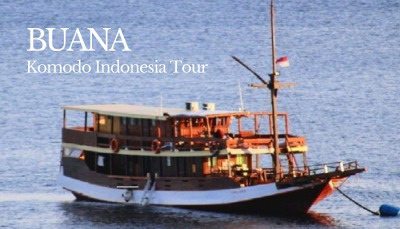
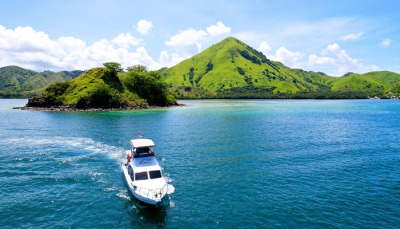
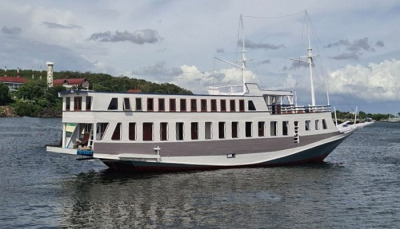
A liveaboard cruise is an appealing way to explore several destinations without returning to the same hotel each evening. Travelers can spend time sailing between islands, enjoy meals onboard, and wake up close to the next destination. Depending on the package, a trip may combine wildlife walks, beach visits, scenic hikes, and snorkeling excursions.
For travelers starting in Lombok, a multi-day boat journey toward Labuan Bajo can connect several remarkable parts of eastern Indonesia. Routes and stops vary by departure date, vessel, sea conditions, and tour operator. Some itineraries include Sumbawa-area destinations before continuing toward Flores and Komodo National Park.
Before booking, check the actual itinerary, cabin arrangements, meals, drinking water, safety equipment, guide services, park fees, and transfer arrangements. Ask whether snorkeling equipment and travel insurance are included. These details help you compare packages accurately and avoid unexpected costs.
Dry-season months are often popular for island exploration, although conditions differ throughout the year. Sea conditions, rainfall, visibility, and wildlife activity can affect daily plans. Check the forecast and confirm that your operator follows local maritime safety guidance.
A day trip from Labuan Bajo can suit travelers with limited time, while a multi-day cruise allows more opportunities to explore remote islands. Choose a duration that matches your budget, comfort preferences, and interest in wildlife or marine activities.
Modern travel technology makes planning easier. Save your booking confirmations offline, download maps for areas with limited connectivity, and share your itinerary with someone at home. Check official park announcements and weather updates before departure rather than relying entirely on old online reviews.
Keep your phone protected from water, carry a power bank, and bring sufficient cash if local services have limited digital payment options. Technology is useful, but it should support your adventure rather than distract you from the natural surroundings.
Bring comfortable walking shoes, lightweight clothing, sun protection, reusable drinking-water bottles where refill facilities are available, and any personal medication you need. For boat trips, consider motion-sickness precautions and a waterproof bag for electronic devices.
Follow the crew’s safety briefing, wear recommended flotation equipment, and never enter the water when conditions are unsafe. If you have mobility limitations or specific medical needs, discuss them with the operator before confirming your booking.
At Buana, our goal is to help travelers discover Indonesia through memorable island journeys and thoughtfully planned travel experiences. Whether you are interested in a Komodo dragon encounter, a scenic island cruise, snorkeling in tropical waters, or a multi-day adventure from Lombok to Labuan Bajo, selecting the right itinerary is an important first step.
We encourage travelers to compare inclusions, understand the practical details, and choose experiences that respect local communities and natural environments. Every trip should balance excitement with responsible travel, clear communication, and appropriate safety arrangements.
Explore available tour options at Buana, and contact our team to discuss your preferred travel dates, group size, departure point, and adventure style.
Komodo dragons naturally inhabit several islands in East Nusa Tenggara, including Komodo and Rinca, as well as parts of Flores and smaller neighboring islands. Visitors should arrange wildlife observation through authorized park access and follow local guide instructions.
Yes. Komodo dragons are powerful wild predators capable of causing serious injuries. Stay with your guide, keep the required distance, and never attempt to touch, feed, or approach them independently.
A day trip can cover selected highlights near Labuan Bajo, while two- to four-day itineraries provide more time for island visits and marine activities. Travelers departing from Lombok should allow additional time according to the cruise route and schedule.
Yes, selected multi-day itineraries connect these destinations by boat and land transfers. Availability depends on departure dates, vessel routes, weather, and operator arrangements, so confirm the complete itinerary before booking.
A journey through Komodo National Park offers more than beautiful photographs. It introduces travelers to an extraordinary endemic species, diverse marine environments, and landscapes that deserve long-term protection. From observing Komodo dragons with a local guide to watching the sunrise above Padar Island, every responsible experience can deepen your appreciation for Indonesia’s natural heritage.
Plan your next adventure with JeloGilis and discover a travel experience that combines exploration, wildlife education, and the beauty of the Indonesian archipelago. Visit Buana, to explore your options.
Which experience would you choose first: seeing a Komodo dragon in its natural habitat, hiking to Padar Island’s panoramic viewpoint, or snorkeling among tropical marine life? Share your thoughts in the comments and tell us what makes your dream Komodo Indonesia tour unforgettable.


By Buana Komodo Indonesia Tour – komodoindonesiatour.com Planning to visit Komodo Island in 2026? You’re about to discover one of the most spectacular destinations in Southeast Asia. This comprehensive Komodo National Park Guide covers everything you need to know before traveling to Komodo Island Indonesia, from the best time to visit and top attractions to […]
expand_circle_right Selengkapnya
Why a Licensed Tour Guide Makes a Difference on Your Komodo Boat Tour A journey through Komodo National Park is much more than visiting famous islands and taking beautiful photos. It is an opportunity to discover one of Indonesia’s most extraordinary natural destinations through the eyes of people who know it best. At Buana Komodo […]
expand_circle_right Selengkapnya
Best Way to Get to Komodo Island from Lombok: The Smart Traveler’s Route Most People Completely Overlook Best way to get to Komodo Island from Lombok is a question that seems simple—but in reality, it determines whether your trip becomes stressful, rushed, or truly unforgettable. Many travelers underestimate the complexity of this route, choosing the […]
expand_circle_right Selengkapnya
Kenawa Island Sumbawa: The Hidden Paradise You Must Visit Before Everyone Else Finds It Kenawa Island Sumbawa is one of Indonesia’s most underrated tropical escapes, quietly sitting off the coast of Sumbawa yet delivering a level of beauty that rivals the world’s most famous islands. In 2026, this tiny uninhabited island has become a strategic […]
expand_circle_right Selengkapnya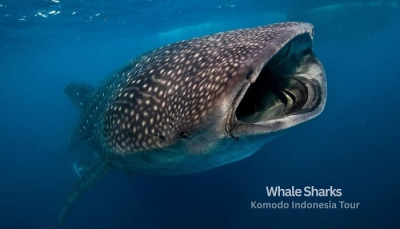
Swim with Whale Sharks Lombok to Bajo: The 4-Day Ocean Journey That Will Completely Change How You See the Sea Swim with whale sharks Lombok to Bajo is not just another travel itinerary—it is a transformative marine journey that blends raw nature, immersive adventure, and modern travel comfort into one seamless experience. Stretching across Lombok, […]
expand_circle_right Selengkapnya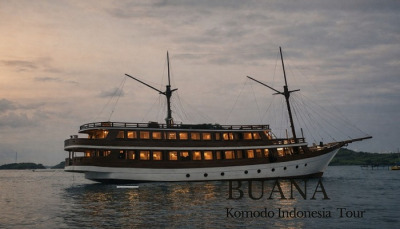
Review: Deck Class vs Cabin Class on Komodo Boats, Choosing your sleeping arrangement for the legendary four-day sailing expedition from Lombok to Labuan Bajo is the single most important decision you will make for your Indonesian adventure in 2026. This journey across the Flores Sea has become a global phenomenon, but the reality of living […]
expand_circle_right Selengkapnya
We Accept Payment:


Saat ini belum ada komentar