
Tips for Seasickness When Crossing to Komodo: Don’t Let Nausea Ruin Your Dream 2026 Adventure!
The journey across the Flores Sea toward the prehistoric gates of Komodo National Park is often described as a life-changing pilgrimage, but for many, the dream is cut short by the reality of the Sape Strait’s unpredictable swells. As we navigate the travel landscape of 2026, the “Lombok to Labuan Bajo” sea route has become more popular than ever, yet the physiological challenge of motion sickness remains the number one deterrent for aspiring explorers. Seasickness, or kinetosis, occurs when your inner ear senses motion that your eyes cannot quite reconcile, leading to a sensory conflict that can turn a luxury Phinisi cruise into a miserable endurance test. However, with modern maritime technology, bio-hacking techniques, and strategic planning, you can reclaim your equilibrium. Why should a few waves stand between you and the majestic sight of a Komodo dragon basking on a pink sand beach? By understanding the unique hydrodynamics of the Indonesian archipelago and preparing your body before you even step onto the pier, you can ensure your focus remains on the horizon, not the horizon-line of a sick bag.
Crossing to Komodo isn’t like sailing a calm Mediterranean bay. You are traversing the Indonesian Throughflow (ITF), a massive movement of water from the Pacific to the Indian Ocean. In 2026, climate patterns have made these currents more distinct, creating “standing waves” in areas like the Gili Motang strait. This geographical quirk is why specific techniques are required for this region specifically. It is not just about the rocking of the boat; it is about the frequency of the vibration and the humidity levels that can exacerbate feelings of faintness.
In the modern era, we no longer have to guess what the sea has in store. Leveraging real-time data is one of the most effective ways to mitigate anxiety—a major psychological trigger for seasickness. Before you book your boat or depart from the harbor, use these digital resources to time your crossing.
Once you are on the water, your physical behavior determines your success. The most common mistake travelers make is retreating to their cabin. While it feels intuitive to lie down in the dark, being below deck removes your visual reference to the horizon, which is the fastest way to trigger a vestibular crisis.
Keep your eyes fixed on a stable point on the horizon. Do not look at the waves immediately hitting the bow; look at the distant, unmoving landmasses of the Komodo archipelago. This provides your brain with the visual data it needs to confirm that the movement you feel is “normal.”
Every boat has a “sweet spot.” This is the lowest, most central point of the vessel. On a traditional Indonesian boat, this is usually near the engine room or the main dining deck mid-ships. Movement here is vertical rather than rotational, which is much easier for the inner ear to process. Have you noticed how the crew always seems perfectly fine? They spend their time moving with the boat, not resisting it.
In 2026, the pharmaceutical options have moved beyond just drowsy pills. However, timing is everything. Most medications must be in your bloodstream 60 to 90 minutes before the boat starts moving to be effective. Once the nausea starts, your stomach slows down (gastroparesis), meaning a pill might not be absorbed at all.
Safety and comfort on the water are heavily regulated by local authorities to ensure the best experience for international visitors. According to reports from Kompas.com and updated travel advisories on detik.com, the safety standards for vessels operating in the Komodo National Park have been heightened in 2026. This includes mandatory stabilizers on newer luxury Phinisis, which significantly reduces the “roll” that causes seasickness.
Data from the jelogilis.com logistics portal suggests that travelers who choose larger vessels with a wider beam (width) experience 40% less reported motion sickness compared to those on narrow speedboats. Furthermore, komodoexplore.com emphasizes that the “calm season” typically runs from April to September, though even then, the Sape Strait requires respect. For those seeking the most stable entry points, checking the resources at gilivisa.com can help in choosing operators that utilize weather-routing technology. If you are specifically looking for whale shark sightings during your crossing, whalesharkstoursumbawa.com provides updates on sea conditions in Saleh Bay, where the waters are generally much calmer than the open strait.
The Komodo National Park (TNK) authorities suggest that if you are feeling unwell upon arrival at the islands, notify your ranger immediately. They are trained in basic first aid and can guide you to shaded, stable ground where your inner ear can reset before you begin your trek to see the dragons.
What you eat in Labuan Bajo or Lombok the night before your departure dictates your comfort level on the waves. High-acid and high-fat foods stay in the stomach longer, increasing the likelihood of “regurgitation” if you become nauseous.
Believe it or not, your mindset is a tool. There is a documented phenomenon called “vicious cycle” motion sickness, where the fear of getting sick actually brings on the symptoms. In 2026, many travelers use “Breathwork Apps” like Othership or Wim Hof to regulate their nervous system during the crossing. By keeping your heart rate low and your breathing steady, you signal to your brain that you are not in danger, even if the boat is pitching.
If the boat starts to roll, don’t fight it. Stand up, slightly bend your knees, and let your legs act as shock absorbers. This is called “getting your sea legs.” By moving with the boat rather than tensing up, you reduce the jarring impact on your sensory system. Have you ever tried to “dance” with the waves instead of resisting them?
The Lombok to Labuan Bajo route is a testament to the beauty of our planet, and a little bit of seasickness is a small price to pay for the wonders of the Komodo National Park. With the right combination of 2026 technology, ancient ginger remedies, and a solid understanding of maritime physics, you can conquer the swells and arrive at the Pink Beach feeling refreshed and ready for adventure. The dragons are waiting, and now, you have the tools to meet them without a queasy stomach.
We want to hear from you! Have you ever survived a rough sea crossing, or do you have a secret remedy that we didn’t mention? Leave a comment below and share your experiences with the community—your advice might just save someone else’s trip!
Read Other Our Article: Lombok to Labuan Bajo Route
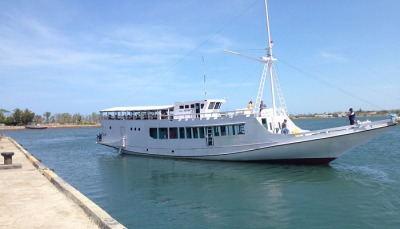

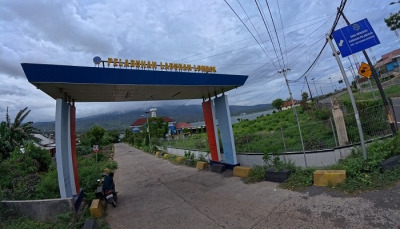
Kayangan Harbor: The Gateway to Adventure from Lombok to Labuan Bajo Kayangan Harbor, located on the eastern coast of Lombok Island, is one of the busiest and most important ports in West Nusa Tenggara, Indonesia. Serving as the main connection between Lombok and Sumbawa, this harbor is also the starting point for many adventure seekers […]
expand_circle_right Selengkapnya
Open Trip Komodo 3D2N: The Ultimate Shared Boat Adventure. If you’re planning to explore Komodo National Park and looking for an affordable yet unforgettable experience, the Open Trip Komodo 3D2N is the perfect choice. This shared Komodo boat tour allows you to discover the park’s most breathtaking highlights in just three days and two nights […]
expand_circle_right Selengkapnya
By Buana Komodo Indonesia Tour – komodoindonesiatour.com Planning to visit Komodo Island in 2026? You’re about to discover one of the most spectacular destinations in Southeast Asia. This comprehensive Komodo National Park Guide covers everything you need to know before traveling to Komodo Island Indonesia, from the best time to visit and top attractions to […]
expand_circle_right Selengkapnya
Why a Licensed Tour Guide Makes a Difference on Your Komodo Boat Tour A journey through Komodo National Park is much more than visiting famous islands and taking beautiful photos. It is an opportunity to discover one of Indonesia’s most extraordinary natural destinations through the eyes of people who know it best. At Buana Komodo […]
expand_circle_right Selengkapnya
Komodo Boat Trip: The Ultimate Island Adventure Guide That Will Completely Change How You Travel Komodo boat trip is not just another island-hopping tour—it’s a journey into one of the last wild frontiers on Earth. Picture yourself waking up on a boat surrounded by turquoise waters, hiking dramatic islands at sunrise, and encountering prehistoric creatures […]
expand_circle_right Selengkapnya
Best Way to Get to Komodo Island from Lombok: The Smart Traveler’s Route Most People Completely Overlook Best way to get to Komodo Island from Lombok is a question that seems simple—but in reality, it determines whether your trip becomes stressful, rushed, or truly unforgettable. Many travelers underestimate the complexity of this route, choosing the […]
expand_circle_right Selengkapnya
We Accept Payment:


Saat ini belum ada komentar