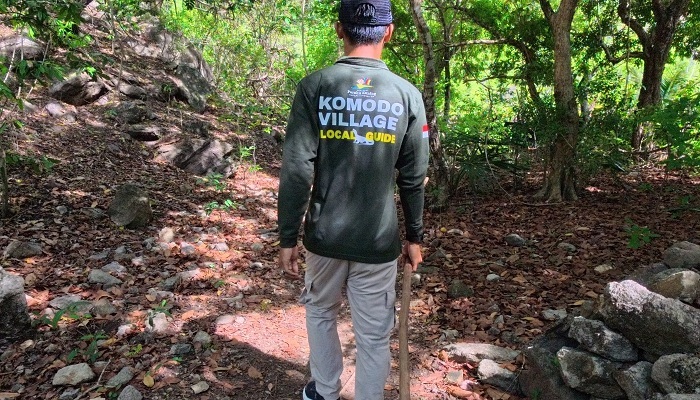
Most visitors travel to Komodo Island hoping to see the legendary Komodo dragon, hike across dramatic savannah hills and snorkel in beautiful tropical waters. But there is another experience that can make your journey more meaningful: discovering Kampung Komodo, a living coastal village where local people have built their lives alongside one of the world’s most remarkable natural environments. This Complete Guide to Kampung Komodo introduces the village, its culture, local experiences, travel routes, estimated costs and practical advice for visitors planning a Komodo Island adventure.
Located within Komodo National Park in West Manggarai, East Nusa Tenggara, Kampung Komodo offers a different perspective on the destination. Instead of seeing the island only through a boat excursion or a short wildlife trek, visitors can learn about the community that calls this place home. The village is a place of everyday life, local traditions, fishing activities and growing community-based tourism.
For travelers joining a Komodo Cruise from Labuan Bajo, a visit to Kampung Komodo can add a cultural dimension to an island itinerary. For those sailing from Lombok to Labuan Bajo, it can also become a memorable stop if the vessel’s route, schedule and park permissions allow it. The important thing is to plan the visit as a genuine community experience, not simply as another photo stop.
Kampung Komodo is located on Komodo Island, in Komodo District, West Manggarai Regency, East Nusa Tenggara Province, Indonesia. The village is part of the wider Komodo National Park landscape, an area internationally known for its distinctive wildlife, dry tropical ecosystems, islands and marine biodiversity.
Many travelers know Komodo Island as the home of the Komodo dragon, but fewer realize that a local community also lives on the island. The Indonesian Ministry of Tourism’s tourism-village platform identifies Desa Wisata Komodo as a village within the national park and describes its natural and cultural tourism attractions. This makes the village an interesting destination for travelers who want to understand the human side of Komodo.
This is one of the most important details to understand before booking a trip. Kampung Komodo and Loh Liang are not interchangeable names for the same visitor experience.
Why does this distinction matter? Because a boat may visit the island for a ranger-guided dragon walk without stopping at the village. If experiencing local life is one of your priorities, ask for a specific Kampung Komodo visit rather than assuming it is included in every Komodo Island tour.
Kampung Komodo is more than a destination name on a sailing itinerary. It is a real settlement with families, homes, community relationships and a connection to the surrounding sea. The village’s identity has developed through generations of interaction between people, the island environment and the wider maritime world of eastern Indonesia.
Historical accounts of the population and settlement of Komodo Island are complex. The region has been influenced by movement between islands, maritime trade, fishing communities and cultural exchange. It is therefore better to appreciate the village as a living community with a layered history rather than reduce its story to one simple origin narrative.
Like many coastal settlements in eastern Indonesia, the sea is central to daily life. Fishing, boat transport and knowledge of local waters are important parts of the wider maritime culture. The surrounding waters provide food, connect communities and support tourism activities.
For visitors, observing this relationship can be one of the most valuable parts of a village visit. You may see boats near the shoreline, people preparing fishing equipment, children walking through the settlement or local residents carrying out everyday activities. These ordinary moments can offer a more authentic understanding of the island than a quick stop at a viewpoint.
Remember that the village is not an open-air museum. Residents are not performers who exist for visitors. Always ask permission before taking close-up photographs, entering private areas or recording conversations. A respectful greeting and a willingness to listen are often more meaningful than arriving with a camera and immediately taking pictures.
The Ministry of Tourism’s Desa Wisata Komodo listing describes cultural attractions such as traditional performances, community ceremonies and cultural presentations. It also highlights activities connected with the local identity of the village. These experiences may be available through community arrangements, but they should not be assumed to operate every day.
Some cultural programs require advance coordination, a minimum group size or a special arrangement with local organizers. If you are interested in a performance or cultural activity, ask whether it is scheduled for your travel date and whether the payment goes directly to the community or its appointed tourism group.
Visitors should also avoid treating cultural practices as entertainment without context. Ask your local host what an activity means, whether photography is appropriate and which parts of a ceremony are private. Learning a little before taking photographs can make the experience more respectful and rewarding.
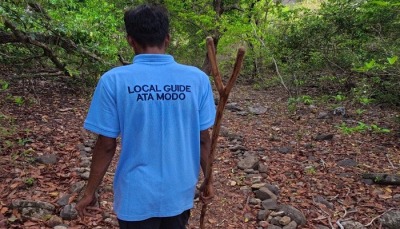
A guided walk through the village can help visitors understand the settlement’s layout, daily routines and relationship with the surrounding environment. Rather than rushing through, allow time to observe the details: boats, houses, small community spaces, local shops and the rhythm of daily life.
Ask your local guide about the village’s history, how people travel between islands, how fishing activities are organized and how tourism has changed local opportunities. These conversations can reveal insights that are difficult to find in a standard travel brochure.
Community-based tourism gives residents an opportunity to participate in tourism-related services and benefit from visitors. Depending on current local arrangements, this may include guiding, accommodation, cultural presentations, boat services, food, souvenirs or marine activities.
When booking a community experience, ask who provides the service and how the payment is distributed. Choosing a locally organized activity can help direct more of your travel spending towards the people who live in the destination.
Food can be an excellent introduction to a place. If a village host offers a meal or refreshment, ask about the ingredients and how the dish is prepared. Seafood and other locally available ingredients may feature in community meals, although menus depend on availability and the host’s arrangements.
Do not assume that every household operates as a restaurant. Arrange meals in advance, explain dietary requirements clearly and ask whether drinking water is provided. If you have allergies, communicate them before the visit rather than waiting until food is served.
One of the most fascinating aspects of Komodo Island is the presence of both human communities and wild Komodo dragons in the broader landscape. The Komodo dragon, scientifically known as Varanus komodoensis, is a large monitor lizard native to this region of Indonesia.
People and wildlife share an environment that requires careful management. A dragon may occasionally be encountered near inhabited areas, but visitors should never approach, feed or attempt to photograph one at close range without following official guidance. A village visit is not a substitute for an authorized wildlife walk.
For wildlife viewing, follow the instructions of the park ranger or authorized guide. Do not attempt to locate dragons independently, especially around homes, food areas or vegetation where visibility is limited.
Kampung Komodo is part of a remarkable natural region. Komodo National Park includes major islands such as Komodo, Rinca and Padar, together with smaller islands and extensive marine areas. Its landscape combines dry savannah, rugged hills, seasonal vegetation, beaches, coral reefs and deep channels between islands.
UNESCO inscribed Komodo National Park on the World Heritage List in 1991. The UNESCO World Heritage Centre describes the property as covering 219,322 hectares and highlights its globally important terrestrial and marine ecosystems, including the habitat of the Komodo dragon. These facts help explain why tourism in the area must be balanced with conservation.
Read the official UNESCO Komodo National Park World Heritage profile for information about the park’s heritage status, natural features and conservation significance.
The Komodo dragon is the park’s best-known terrestrial animal, but it is only one part of a larger ecosystem. The island landscape also supports deer, wild pigs, macaques, birds and other species. These animals are connected through food webs and habitat conditions that can be affected by human activity.
During an authorized trek, a ranger can explain how to observe wildlife safely and how to behave if a dragon is encountered. Keep a suitable distance, remain with your group and follow instructions immediately. Never feed wildlife or leave food waste behind.
The waters around Komodo are known for coral reefs, tropical fish, sea turtles, manta rays and other marine life. Strong currents and changing sea conditions are also part of the environment. A beautiful snorkeling location is not automatically suitable for every swimmer or every weather condition.
Choose snorkeling sites according to the crew’s assessment, your swimming ability and the day’s conditions. Wear a properly fitted life jacket if needed, enter the water only when instructed and avoid touching coral or chasing marine animals.
Labuan Bajo, on the western side of Flores, is the main gateway for most visitors traveling to Komodo National Park. The town has an airport, accommodation, restaurants, tour operators and a harbor serving boats to the surrounding islands.
There is no road connection between Labuan Bajo and Komodo Island. Visitors must travel by boat, and the journey time depends on the vessel, departure point, sea conditions and exact landing location.
Most travelers reach Labuan Bajo by air, commonly connecting through Bali, Jakarta or other Indonesian cities depending on available flight schedules. If you are arriving on an international itinerary, allow sufficient time for domestic connections, baggage collection and possible flight delays.
Download your flight tickets, hotel confirmation and boat booking to your phone before leaving the airport. Save the operator’s WhatsApp number and confirm the meeting point, because different boats may use different piers or marina facilities.
There are several ways to reach Komodo Island, but they are not identical in comfort, speed or itinerary flexibility.
Typical operator estimates for a speedboat journey from Labuan Bajo to the Komodo Island area are around 1.5–2 hours, but this is not a guaranteed travel time to every landing point. Slower vessels can take considerably longer. Ask the operator for the estimated crossing time to Kampung Komodo itself, not simply the time to Komodo Island in general.
This is especially important if you are joining a shared Komodo cruise. Shared itineraries often follow a fixed schedule, and the captain may not be able to add an extra landing without changing the route, timing or park arrangements.
Get the answers in writing. A clear itinerary protects both the traveler and the local service provider from misunderstandings.
Travelers departing from Lombok can reach the Komodo region through a multi-day sailing journey to Labuan Bajo. A Lombok to Komodo Cruise is not simply a short transfer: it is a longer liveaboard experience across the islands and waters of West Nusa Tenggara and Flores.
Depending on the vessel and confirmed route, a 4 Days 3 Nights or longer sailing trip may include selected stops around Sumbawa and Komodo National Park. Possible destinations on some routes include Moyo Island, Satonda Island, Saleh Bay, Komodo Island, Padar Island and Pink Beach. Not every cruise visits every destination, and the exact itinerary must be checked before booking.
For Komodo indonesia tour, the most important planning step is to confirm whether Kampung Komodo is part of the actual sailing schedule. A cruise that visits Komodo Island does not automatically include a village experience. Ask for the confirmed stop list, estimated arrival times and any additional local fees.
A liveaboard is ideal if you want to experience several destinations over multiple days and enjoy sleeping on the boat. It can also be a practical way to travel between Lombok and Labuan Bajo without arranging every island transfer separately.
A short tour from Labuan Bajo may be better if you have limited time or want to focus on a small number of destinations. If your main goal is Kampung Komodo, compare the actual village access arrangements rather than choosing a tour solely because it advertises Komodo Island.
The best time for a visit depends on what you want to experience. Many travelers prefer the drier months, often from around April to November, for sailing, island walks and outdoor activities. However, weather patterns vary from year to year, and conditions at sea can change quickly.
During much of the dry season, the islands can have clearer skies and drier trails. The landscape may become golden or brown as grasses dry out, creating the classic savannah scenery often associated with Komodo. This period is popular for sailing, photography and trekking.
Because demand can increase during busy travel months, book your accommodation and boat trip in advance. Confirm the park’s current visitor reservation requirements before your travel date.
During wetter months, vegetation can become greener and the landscape may look very different from the dry-season photographs. Rain, wind and waves may affect boat schedules, landing conditions and visibility. Some operators may adjust or cancel parts of an itinerary for safety.
If you travel during the rainy season, build flexibility into your schedule. Avoid booking a tight same-day connection after your cruise if the arrival time could be affected by weather.
There is no universal best time for every village activity. Morning visits may be more comfortable for walking in warm weather, while afternoon visits may fit better with some boat itineraries. Cultural performances and community activities depend on local availability, not simply the time of day.
Ask the local organizer when a visit is most suitable and whether any activity requires advance notice. Respect residents’ schedules and avoid arriving unexpectedly at private homes.
Travel costs can be confusing because a village experience, a national park ticket and a boat trip are different services. They may be sold by different providers and should not be treated as one universal entrance fee.
The Indonesian Ministry of Tourism’s Jadesta platform currently displays several tourism products and accommodation listings for Desa Wisata Komodo. The amounts below are the prices shown on that public listing when checked for this guide. The platform does not clearly state the unit or group size for every cultural attraction, so these figures are reference listings, not a guaranteed personal quotation.
Komodo Homestay at kampung komodo approximately : IDR 250,000 – IDR 550,000 listed rate; confirm room type, occupancy and whether the amount is per room or per person.
National park charges are separate from accommodation and community tourism services. The current published tariff framework is based on Government Regulation No. 36 of 2024. Publicly displayed 2026 park fee information lists the following visitor rates; confirm the amount and payment instructions in the official SiOra system before travel.
Important: The park tariff is not the price of a Komodo cruise. Boat charter, fuel, meals, accommodation, local guiding, snorkeling equipment and other services may be charged separately. Ask for an itemized quotation so you can see exactly what is included.
For official legal context, see Government Regulation No. 36 . For the village’s currently displayed accommodation and tourism products, consult the Ministry of Tourism’s Desa Wisata Komodo listing
Technology can make a remote-island trip easier to organize, but it should support local knowledge rather than replace it. Mobile coverage may be inconsistent around the islands, and a digital map is not a substitute for a boat captain, local guide or official park instructions.
Use Google Maps to identify Labuan Bajo, your hotel, the harbor meeting point and the village location. Save the relevant places before departure and download offline map areas where possible. Check the location pin with your operator because a general Komodo Island pin may not identify the correct landing point for Kampung Komodo.
SiOra is the digital visitor platform launched by the Ministry of Forestry for Komodo National Park. The ministry describes its functions as including electronic ticket reservations and digital self-interpretation. Check the latest park reservation requirements, available dates and payment instructions before entering the park.
Do not rely on an old screenshot or a forwarded ticket belonging to another traveler. Make sure the reservation details match your own travel date and visitor information. Keep the confirmation available offline in case mobile data is unavailable.
Use a reliable weather application to monitor wind, rain and general sea conditions before departure. Forecast applications are useful planning tools, but conditions between islands can differ from a general regional forecast. The boat captain and local authorities make the operational decision about whether a crossing or landing is safe.
Carry a combination of payment methods. Digital payment is useful where accepted, but remote areas may have limited connectivity or payment facilities. Keep some Indonesian rupiah available for small purchases and confirmed local services.
Store copies of your passport, travel insurance, boat booking and emergency contacts securely on your phone. Keep your original passport safe and accessible when required for official registration.
Before leaving Labuan Bajo, charge your phone, camera and power bank. Download maps, booking documents and any translation tools you may need. If you use a camera with GPS tagging, check its settings and be mindful of photographing residents, children and private homes.
A village visit may be short, but the combination of tropical heat, boat transfers and limited facilities makes preparation important. Pack light, protect yourself from the sun and avoid bringing unnecessary single-use items.
For snorkeling, pack a mask and snorkel if you prefer using your own equipment. Fins and life jackets should be selected according to the activity and operator’s safety instructions. Do not carry unnecessary equipment into the village or leave belongings unattended on the beach.
Responsible tourism is especially important in a place where a residential community and a globally significant wildlife habitat exist within the same landscape. The quality of a visit should not be measured only by photographs or the number of attractions covered. It should also be measured by how visitors treat the people and environment they encounter.
Ask before photographing individuals, especially children. Do not enter houses, yards or private buildings without an invitation. If someone declines a photograph, accept the answer politely.
If residents offer appropriate local products or services, consider supporting them. Ask about the price before accepting a service and pay the agreed amount. Avoid aggressive bargaining over small purchases, particularly when the service is provided by a local guide or craft maker.
Komodo dragons are wild predators, not tame tourist attractions. Never feed them, provoke them or approach them for a closer photograph. Follow park rules and ranger instructions at all times. If you encounter a dragon near a village area, keep your distance and alert the appropriate local guide or authority.
Do not collect coral, shells or wildlife as souvenirs. Avoid stepping on coral reefs, throwing rubbish into the sea or using activities that damage marine habitats. If you snorkel, maintain a comfortable distance from turtles, manta rays and other marine animals.
Ask who operates the activity, whether the guide is local and what the price includes. A transparent service provider should be able to explain the itinerary, safety arrangements, local contributions and any park-related charges. This helps visitors make informed decisions and supports better tourism standards.
Remote-island travel requires preparation. Even when the village itself is calm, the journey by boat and the surrounding natural environment present risks that should be taken seriously.
Sun exposure can become uncomfortable during the middle of the day. Drink water regularly, take breaks in suitable shaded areas and avoid strenuous activity if you feel unwell. If you experience dizziness, nausea or signs of heat exhaustion, tell your guide or crew immediately.
Do not walk alone into areas where wildlife may be present. Keep food securely stored and follow local instructions about where visitors may walk. Never assume that an animal is harmless because it appears still or is accustomed to seeing people.
Bring personal medication and tell your travel companion or guide about important medical needs. If you have a condition that may affect your ability to walk, swim or travel by boat, discuss this with the operator before booking. Remote locations may have limited medical facilities, so appropriate travel insurance is strongly recommended.
The following is an example of how a village visit might be arranged. It is not an official daily schedule, and the actual timing depends on the boat, park access, sea conditions and local community availability.
Arrive at the agreed landing point and meet your local guide. Begin with a short introduction to the village and its history. Ask about the appropriate walking route, photography etiquette and any areas that are private or restricted.
Explore selected public areas with your guide. Learn about local livelihoods, the relationship with the sea and the role of community tourism. Take photographs only when appropriate and allow time for conversation rather than rushing through the settlement.
If arranged in advance, enjoy a meal or refreshment provided by a local host. Confirm food availability, dietary requirements and the price before the visit. Keep the midday schedule flexible, particularly during hot weather.
If a cultural presentation or marine activity is available, participate according to the local organizer’s instructions. These activities are optional and must be confirmed in advance. Do not assume that a performance, snorkeling trip or wildlife observation is automatically included in a village visit.
Allow enough time to return to the boat before the agreed departure. Check that you have all your belongings and take your rubbish with you. Thank your host and guide, and confirm the next destination with the crew.
Kampung Komodo is a village located on Komodo Island. The island is a much larger geographical area that includes wildlife habitat, park visitor areas and other landscapes. The village is a residential community, not the name for the entire island.
Yes. The Ministry of Tourism’s tourism-village listing identifies Desa Komodo as being within the Komodo National Park area. Visitors should follow the applicable park and local community requirements.
Visitors can arrange community and cultural tourism experiences, subject to local availability and relevant park requirements. Contact a local organizer or a responsible tour operator before traveling to confirm access and activities.
Komodo dragons inhabit the island, but sightings are never guaranteed. Do not attempt to find or approach them independently. For wildlife observation, follow the authorized ranger or guide and all park instructions.
Travel time depends on the vessel and landing point. A speedboat crossing to the Komodo Island area may take around 1.5–2 hours under suitable conditions, while slower boats can take longer. Confirm the estimated journey time to the actual village landing point with your operator.
It may be possible if the cruise itinerary includes a village stop and the necessary local arrangements. Not every Lombok to Komodo sailing trip includes Kampung Komodo, so ask the operator to confirm the stop in writing before booking.
The Ministry of Tourism’s tourism-village listing displays several homestay options and reference prices. Availability, room facilities and current rates should be confirmed directly with the accommodation provider before departure.
Mobile coverage can vary across the islands and may be unreliable in some areas. Download maps, booking documents and important contact information before leaving Labuan Bajo. Do not depend on a continuous internet connection for navigation or emergency communication.
Wear lightweight, comfortable clothing suitable for tropical weather. Choose practical footwear for walking and dress respectfully in residential and community spaces. Bring sun protection and a reusable water bottle.
A local guide is strongly recommended for understanding the village, arranging community activities and respecting local customs. Wildlife trekking inside the national park must follow the park’s official guiding and safety requirements.
It can be a meaningful family experience if the boat journey, walking distance, heat and facilities are suitable for the group. Parents should supervise children closely, especially near boats, the shoreline and any areas where wildlife may be present.
Many visitors remember Komodo National Park for its dragons, beaches, viewpoints and snorkeling locations. These are extraordinary experiences, but a visit to Kampung Komodo can provide a broader understanding of the destination.
The village introduces another dimension: the people who live in this remarkable environment. It encourages visitors to think about how tourism can support local livelihoods, how conservation affects communities and how travel choices can contribute to a more responsible visitor economy.
For travelers who value meaningful experiences, this is an important reason to include the village in a carefully planned itinerary. Rather than treating the stop as a quick photo opportunity, allow time to meet a local guide, learn about community life and understand the relationship between the island and its residents.
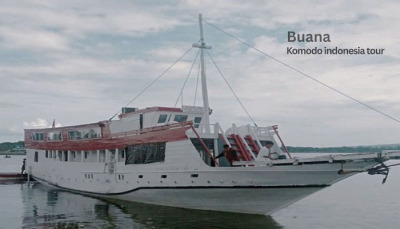
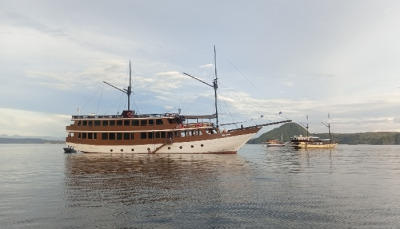
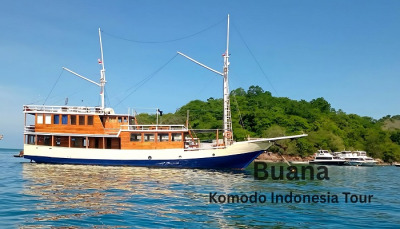
Komodo indonesia tour introduces travelers to the extraordinary islands and marine landscapes of eastern Indonesia through sailing experiences between Lombok and Labuan Bajo. A multi-day Komodo Cruise can combine time at sea with selected island visits, snorkeling opportunities and exploration of Komodo National Park.
If Kampung Komodo is one of your priorities, contact the komodo indonesia tour team before booking and request confirmation of the village stop. Ask whether the experience includes a local guide, community activity, landing arrangement and any additional charges. This makes it easier to choose the right sailing package and set realistic expectations.
Before departure, check your boat’s facilities, cabin arrangements, safety equipment, meals, departure point and arrival schedule. Confirm park reservations and local access requirements for your travel dates. A well-planned itinerary should be clear about what is included and flexible enough to respond to weather and operational conditions.
Explore the natural beauty of Komodo National Park while taking time to appreciate the people and communities that make this region unique. With thoughtful planning and respectful travel, Kampung Komodo can become more than a stop on your map: it can become one of the most meaningful parts of your Indonesian island adventure.
Would you prefer to spend your time watching Komodo dragons with a ranger, exploring the village with a local guide or learning about the community’s maritime traditions? Each experience offers a different way to understand Komodo Island.
Have you visited Kampung Komodo, or are you planning to include it in your next Komodo Cruise? Share your experience, questions or travel tips in the comments. Your insights may help other travelers prepare for a more informed and responsible visit.
Why a Licensed Tour Guide Makes a Difference on Your Komodo Tour packages A journey through Komodo National Park is much more than visiting famous islands and taking beautiful photos. It is an opportunity to discover one of Indonesia’s most extraordinary natural destinations through the eyes of people who know it best. At Buana Komodo […]
expand_circle_right Selengkapnya
5 Best Photo Spots on Komodo Indonesia Tour: Capture the Prehistoric Magic of 2026 Like a Professional Creator! Finding the 5 Best Photo Spots on Komodo Indonesia tour in 2026 is the ultimate mission for travelers who want to blend high-octane adventure with viral-worthy content. As the world of travel photography shifts toward cinematic, raw, […]
expand_circle_right Selengkapnya
We Accept Payment: