

The allure of the “Dragon’s Realm” is no longer a secret whispered among backpackers; it has become a global phenomenon. A Komodo Indonesia Tour Labuan Bajo Flores offers a rare intersection of prehistoric wildlife, surreal pink sands, and some of the most diverse marine ecosystems on the planet. However, as tourism in the East Nusa Tenggara province surges, the difference between a generic tourist trap and a life-changing expedition lies in the details of your planning. This isn’t just a boat ride; it’s a journey through a UNESCO World Heritage site that demands a strategic approach to navigate the evolving regulations and seasonal shifts of 2026.
Labuan Bajo was once a sleepy fishing village, but it has transformed into a sophisticated hub for the Komodo National Park. Before you step onto a boat, you must master the logistics of this gateway. Most travelers fly into Komodo Airport (LBJ), which now handles frequent flights from Jakarta and Bali. Have you ever wondered why some travelers see ten dragons while others see none? It usually comes down to their starting point and timing.
To ensure a high-value experience, it is essential to understand the geography. The park consists of three main islands: Komodo, Rinca, and Padar. While many focus solely on the dragons, the trekking at Padar Island offers a panoramic view of four crescent-shaped beaches that is arguably the most photographed spot in Southeast Asia. To beat the crowds, modern travelers are now using Marine Traffic apps to monitor harbor congestion and Windy.com to predict swell patterns, ensuring a smoother sailing experience.
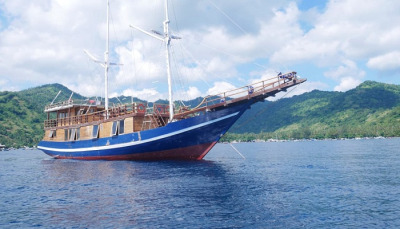
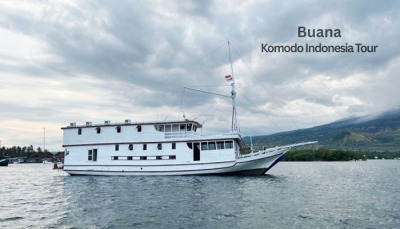
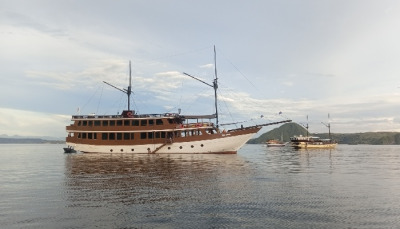
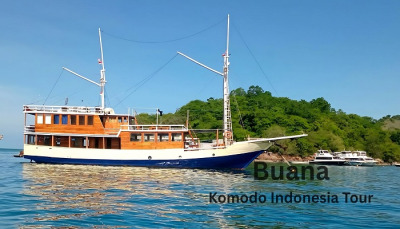
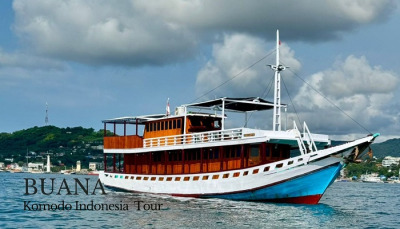
One of the most critical decisions for your Komodo Indonesia Tour Labuan Bajo Flores is your accommodation style. The “Liveaboard” experience on a traditional Indonesian Phinisi schooner is the gold standard. These vessels allow you to wake up at the dive sites, beating the day-trip crowds that arrive from the mainland by 10:00 AM.
The Komodo dragon (Varanus komodoensis) is a biological marvel. According to Wikipedia, the Komodo dragon is the largest extant species of lizard, growing to a maximum length of 3 m (10 ft) and weighing up to approximately 70 kg (150 lb). Their survival in the harsh, arid climate of the Lesser Sunda Islands is a testament to their evolutionary resilience.
When visiting the islands of Rinca or Komodo, you are required to walk with a local ranger. These experts use a “Y” shaped stick for safety, but their real value is their knowledge of dragon behavior. To get the best out of your tour, ask your ranger about the dragons’ nesting cycles. Visiting during the mating season (July to August) offers a much different dynamic than the hatching season later in the year.
To ensure your trip meets the highest standards of “Value Content,” avoid generic advice. Here are three professional techniques for a superior tour:
Most boat tours follow a standard clockwise route: Padar, then Pink Beach, then Komodo Island. Talk to your captain about a counter-clockwise or “Reverse” route. By hitting the most popular spots at “off-peak” hours (like visiting Padar at midday or late afternoon), you can often have these world-famous vistas to yourself.
Manta Point is a high-current area. Instead of swimming against the tide, practice a “drift snorkel.” Let the current carry you over the reef while you remain stationary. Use a GoPro Hero 12 or 13 with a red filter attachment; the waters here are deep blue, and without a filter, your footage will lose the vibrant oranges and purples of the coral.
Labuan Bajo is part of the larger Flores island, which has a rich cultural tapestry. Use an afternoon to visit the Cunca Wulang canyon or a local “Melo” village to witness the Caci whip dance. This spreads the economic benefits of your tourism beyond the park gates and into the local communities.
The ecosystem of Komodo is fragile. As a modern traveler, you should utilize technology to minimize your footprint. Use the RefillMyBottle app to find stations in Labuan Bajo where you can replenish your water without buying single-use plastics. Additionally, ensure your tour operator follows “No Trace” principles—if they offer to feed the wildlife or touch the coral, they are not a quality provider.
The best time to visit is during the shoulder seasons—April to June or September to October. During these months, the islands are either lush green or a striking golden brown, and the weather is generally stable enough for safe navigation through the Sape Strait.
A Komodo Indonesia Tour Labuan Bajo Flores is more than a vacation; it is a brush with the ancient world. By utilizing modern apps, choosing your vessel wisely, and respecting the biological significance of the Komodo dragon, you transform a simple trip into a masterclass in adventure travel. The beauty of Flores lies in its raw, unfiltered nature, but your preparation determines how much of that beauty you truly see.
Have you ever encountered a creature that felt like it belonged in a different geological era? We would love to hear your thoughts on wildlife conservation or your own experiences in Labuan Bajo. Please leave a comment below and share your best travel tips for Flores!
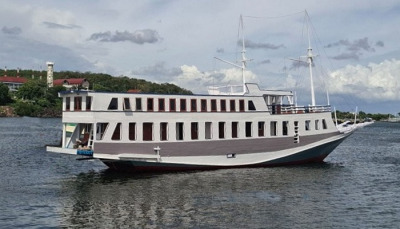
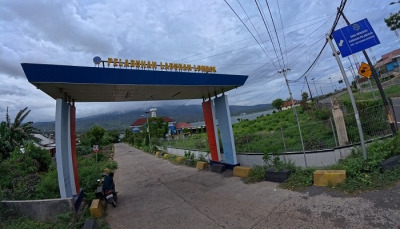
Kayangan Harbor: The Gateway to Adventure from Lombok to Labuan Bajo Kayangan Harbor, located on the eastern coast of Lombok Island, is one of the busiest and most important ports in West Nusa Tenggara, Indonesia. Serving as the main connection between Lombok and Sumbawa, this harbor is also the starting point for many adventure seekers […]
expand_circle_right Selengkapnya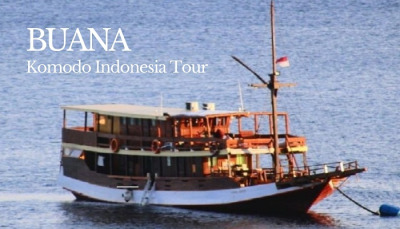
Open Trip Komodo 3D2N: The Ultimate Shared Boat Adventure. If you’re planning to explore Komodo National Park and looking for an affordable yet unforgettable experience, the Open Trip Komodo 3D2N is the perfect choice. This shared Komodo boat tour allows you to discover the park’s most breathtaking highlights in just three days and two nights […]
expand_circle_right Selengkapnya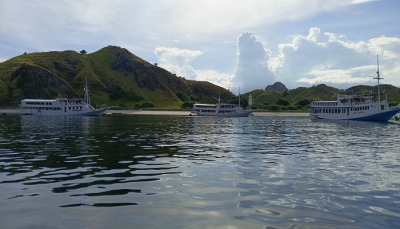
Komodo Boat Trip: The Ultimate Island Adventure Guide That Will Completely Change How You Travel Komodo boat trip is not just another island-hopping tour—it’s a journey into one of the last wild frontiers on Earth. Picture yourself waking up on a boat surrounded by turquoise waters, hiking dramatic islands at sunrise, and encountering prehistoric creatures […]
expand_circle_right Selengkapnya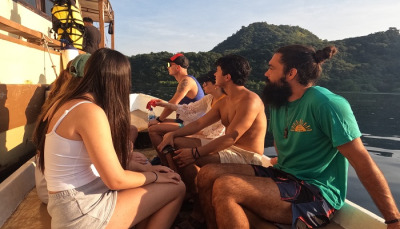
Best Way to Get to Komodo Island from Lombok: The Smart Traveler’s Route Most People Completely Overlook Best way to get to Komodo Island from Lombok is a question that seems simple—but in reality, it determines whether your trip becomes stressful, rushed, or truly unforgettable. Many travelers underestimate the complexity of this route, choosing the […]
expand_circle_right Selengkapnya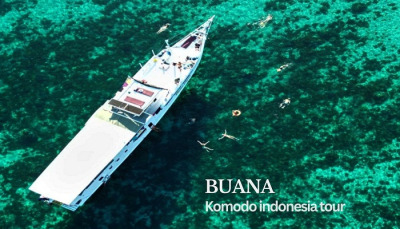
Komodo tour Indonesia is more than just a travel experience—it’s a raw encounter with nature, a journey across prehistoric landscapes, and a deep dive into one of the most unique ecosystems on Earth. Imagine sailing through turquoise waters, waking up to sunrise over jagged islands, and standing face-to-face with the legendary Komodo dragon. But here’s […]
expand_circle_right Selengkapnya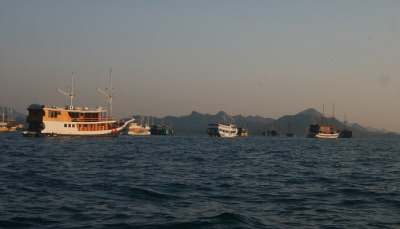
Komodo Tour Indonesia from Bali: The Ultimate Secret Route Smart Travelers Don’t Want You to Know Komodo tour Indonesia from Bali is one of the most sought-after travel experiences in Southeast Asia, yet most travelers approach it the wrong way—rushing, overpaying, or missing the best routes entirely. Imagine leaving the vibrant energy of Bali and […]
expand_circle_right Selengkapnya
We Accept Payment:


Saat ini belum ada komentar